
Industry news
What Should You Know Before Choosing OEM Power Transmission Bushings_
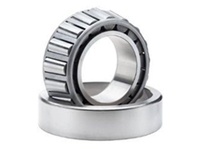
Ever wondered how heavy-duty machinery maintains smooth operation under extreme conditions? At the heart of many industrial systems, OEM power transmission bushings play a critical role, yet they're often overlooked. These components are essential for efficient power transfer, reducing friction, and ensuring the longevity of your equipment. If you're sourcing for your business, getting the right bushing can mean the difference between seamless operation and costly downtime.
Understanding OEM Power Transmission Bushings: More Than Just a Sleeve
Power transmission bushings are sleeves or linings that reduce friction between rotating shafts and stationary parts. Unlike standard bearings, many bushings are designed for specific applications. OEM bushings are tailored to manufacturer specifications, ensuring perfect fit and performance. The most common types include taper lock bushings, QD (Quick Detachable) bushings, and split taper bushings, each serving unique purposes in power transmission systems .
These components are typically made from various materials. Cast iron and steel are popular for high-strength applications, while bronze and brass offer excellent corrosion resistance. For specialized needs, self-lubricating polymer composite bushings are gaining traction for their maintenance-free operation . The choice of material significantly impacts the bushing's performance, lifespan, and suitability for specific environments.
Key Benefits of Quality Bushings in Power Transmission
Why should you invest in high-quality OEM bushings? The advantages are substantial. First, they significantly reduce energy loss by minimizing friction between moving parts. This translates to lower power consumption and improved efficiency across your operations. Secondly, proper bushings extend equipment life by reducing wear and tear on both the shaft and the housing components. With less abrasion, your machinery requires fewer replacements and less frequent maintenance .
Another crucial benefit is improved performance stability. Quality bushings ensure power is transferred smoothly without jerks or interruptions, which is vital for precision applications. They also help dampen vibrations and reduce noise levels, creating a safer and more comfortable working environment. For businesses looking to optimize their operations, these bushings contribute to lower total cost of ownership despite potentially higher initial investment .
Types of OEM Bushings and Their Applications
The world of power transmission bushings is diverse, with each type designed for specific scenarios. Let's explore the most common varieties:
Taper Lock Bushings: These feature a tapered design that creates a tight grip on the shaft when screws are tightened. They're known for easy installation and removal, making them ideal for applications requiring frequent changes or maintenance. Common in conveyor systems and agricultural machinery, they come in standard sizes like 1008, 1210, 1215, up to 120100 series .
QD (Quick Detachable) Bushings: As the name suggests, these bushings allow for quick installation and removal without needing to disassemble other components. They're particularly valuable in industries like manufacturing and automotive where minimizing downtime is crucial. American standard QD bushings (JA, SH, SDS, SD, SK SF series) are widely used across various equipment .
Split Taper Bushings: These feature a split design that provides excellent grip on the shaft, ideal for high-torque applications. They're commonly found in heavy-duty equipment like crushers and mining machinery where vibration resistance is paramount .
Polymer Self-Lubricating Bushings: A modern solution for maintenance-free operation, these bushings contain embedded lubricants that eliminate the need for external greasing. They withstand temperatures from -40°C to 200°C and resist chemicals, making them perfect for food processing, pharmaceutical, and other contamination-sensitive industries .
Material Comparison Table
Material Type | Best For | Load Capacity | Temperature Range |
|---|---|---|---|
Cast Iron (GG25/GG40) | General industrial use, high strength requirements | High | Standard industrial ranges |
Steel (1045) | High-stress applications, durability | Very High | Standard to elevated temperatures |
Bronze/Brass | Corrosive environments, water applications | Medium | Standard ranges |
Polymer Composite | Maintenance-free, chemical resistance | Medium to High | -40°C to 200°C |
Choosing the Right Bushing: A Practical Guide
Selecting the appropriate bushing involves several considerations. Start by understanding your shaft size and keyway specifications. Bushings come with inch, metric, or splined bores, so precise measurements are crucial. Next, evaluate your operational environment – factors like exposure to moisture, chemicals, extreme temperatures, or dust will influence your material choice.
Don't forget to consider load requirements. Heavy loads demand robust materials like steel, while moderate loads might allow for cost-effective alternatives. The speed of operation is another factor – high-speed applications need bushings with excellent heat dissipation properties. Also, think about maintenance accessibility – if regular lubrication is challenging, self-lubricating bushings might be your best option .
When it comes to sourcing, working with an established supplier like Osten Machinery (Xuzhou) Co., Ltd. can simplify the process. Their expertise in global procurement of mechanical components ensures you get products that meet industry standards and your specific requirements. You can reach them at +086 15852310290 to discuss your needs.
Installation Tips and Common Mistakes to Avoid
Even the best bushing can underperform if installed incorrectly. Always clean the shaft and bushing thoroughly before installation to prevent debris from affecting the fit. Use proper tools and follow torque specifications when tightening screws – over-tightening can damage the bushing, while under-tightening may lead to slippage. For taper bushings, ensure the taper is correctly aligned with the mating part to avoid uneven pressure distribution.
A common mistake is ignoring the manufacturer's installation guidelines. Each bushing type has specific requirements – for instance, some need light oiling of threads, while others require specific orientation . Another oversight is neglecting periodic inspections. Regular checks for wear, corrosion, or damage can prevent catastrophic failures. Also, using incorrect removal techniques can damage both the bushing and the shaft – always use proper removal tools when available.
The Future of Power Transmission Bushings
As technology advances, bushing designs continue to evolve. We're seeing growing adoption of smart bushings with embedded sensors that monitor wear and performance in real-time. The trend toward lighter, stronger materials like advanced composites is also noticeable, particularly in automotive and aerospace applications. Additionally, environmentally friendly options are gaining popularity as industries focus on sustainability.
Manufacturers are increasingly offering customized solutions for specific applications rather than one-size-fits-all approaches. This tailored approach ensures optimal performance but requires closer collaboration between suppliers and end-users. Companies that stay ahead of these trends will likely gain a competitive edge in their respective markets.
Choosing the right OEM power transmission bushing might seem complicated initially, but understanding your requirements and available options makes the decision much clearer. Whether you need standard taper bushings for conveyor systems or specialized self-lubricating bushings for harsh environments, the market offers solutions for virtually every application. The key is balancing performance requirements with practical considerations like maintenance and total cost of ownership.
OEM power transmission bushings, taper lock bushings, QD bushings, split taper bushings, self-lubricating bushings, industrial bushings, power transmission components, mechanical bushings, bronze bushings, polymer bushings, conveyor bushings, mining equipment bushings, custom bushings, bronze bearings, steel bushings, cast iron bushings, bushing suppliers, industrial maintenance, machinery parts, friction reduction
# What Should You Know Before Choosing OEM Power Tra
Related columns:
【
Industry news18872 】
【
Technology blog1420 】
Related recommendations:
Die Casting Defect Reduction_ How to Reduce Porosity in Die Casting and What Are the Best Cold Shut
Aero_engine assembly_ How does high-speed rotor dynamic response impact modern jet performance_
Do wheel hub bearings for mining trucks require magnetic particle inspection of inner rings?
Why might mounted unit bearings with composite housings be used for corrosion resistance in chemical
Can double ball bearings be used in a single housing with a spacer to adjust internal clearance?
Excavator Sprockets What's the real difference between high carbon steel sprockets_and how to identi
Why might spherical roller bearings require a different internal clearance for vertical shaft mounti
Double Ferrules Type Hydraulic Fittings_316 Stainless Steel_ How to Choose for Water Treatment Syste
Fastener Installation Tools and Services_ How to Install Interference Fit Fasteners_
Are you using glass filled plastic molded parts where the glass orientation affects strength and shr
Food Grade Plastic Parts - how to choose the right material and ensure they meet safety standards_
China Large Sprockets Supplier with Factory Price_How to Identify Large Diameter Steel Forging Chain
Emergency Pulleys Replacement_ What's the Real Cost, How to Spot Failing Signs, and DIY Fixes_
Engineering Plastic Parts_ How to Design Custom Machined Components for Maximum Performance_
High Pressure Nozzle Flow Control_How to achieve precise flow control and what are the best adjustab
Fire Protection High Pressure Nozzles_ What Are High Pressure Water Mist Nozzles for Marine Fire &am
China High Precision Metal Stamping Factory_ How to Control Tolerances Under ±0.01mm, Where to Find
Can precision metal stamping produce formed threads on sheet metal nuts for low cost fastening?
Die Casting Mold Design, What are the key material selection criteria_, How to optimize the cooling
What linear bearing rail mounting hole spacing standard (metric, inch) fits your machine base?
China Open Die Forgings Factory with Large Size_Custom Open Die Forgings How to Choose_
Can precision metal stamping produce offset bends for spring contacts in connectors?
How should your assembly supplier document torque critical fasteners to satisfy your ISO audit requi
Die Castings, what are the key advantages of aluminum die castings, and how does mold design impact
China High Precision Bearings Supplier_How to choose the right P4 P2 grade bearings for your industr
China Aerospace Metal Stamping Supplier with Precision_ What Makes a Reliable Partner for Critical C
China Male Rod End Bearings Manufacturer_ How to Choose a Reliable Supplier for Custom Parts_
How Does Thin Wall Die Casting Enable Lighter and Stronger Products_
Can double ball bearings be used in a rotary table with through hole for wiring?
Custom Gearboxes with Adjustable Reduction Ratios_ A Complete Guide
What angular contact bearing mounting torque (Nm) for locknut to achieve correct preload?
How do hydraulic clutches work_What are the advantages and disadvantages of hydraulic clutches_
What assembly line error proofing method prevents installation of wrong length fasteners?
China High Precision Bearings Supplier_ How to Choose Reliable Partners for Wind Turbine and Robotic
Fasteners_ How Can Automated Quality Inspection Revolutionize Your Supply Chain in 2026_
Fire Protection High Pressure Nozzles, What Are the Key Types, How to Choose the Best One for Marine
Are plastic molded parts with living hinges suitable for high cycle applications in cold temperature
How does steel forgings manufacturing work and what are its benefits_
How to prevent slewing bearing raceway indentation during crane transport before installation?
China Precision Metal Stamping Supplier with Short Lead Time_ How to Find Reliable Low Volume Manufa
Generator Assemblies_ What is Wind Generator Assembly Design__How to Optimize for Efficiency_
Do power transmission bushings require lubrication on the outside diameter to prevent fretting corro
How to measure pulley groove angle accurately to confirm belt fit and prevent premature belt wear?
How to remove an insert bearing from a shaft using a mechanical puller and induction heater?
China Double Acting Hydraulic Cylinders Factory with Two-Way Action_What Are the Key Benefits of Cus
China Assemblies Factory with Custom Integration, custom plastic injection molding China_ How to Cho
Best O-Ring Motorcycle Chains_ Maintenance Tips You Need to Know
Chinese Steel Forging Factory_How to verify quality certifications for custom orders_ What are the l
Electronics Plastic Molded Parts, What Are They, How to Choose a Supplier, and Why Customization Mat
Fasteners Custom Fabrication, what are my options for custom spring T-nuts, where to find reliable s

