
Industry news
What should you know before choosing large diameter bearings_
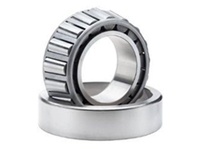
Hey folks! Let's talk about those massive bearings that keep our biggest machines spinning. I know, bearings might not sound like the most exciting topic, but stick with me – if you're in industries like wind energy, construction, or mining, choosing the right large diameter bearing (we're talking 200mm and way, way up) is a seriously big deal. Get it wrong, and you're looking at downtime that can cost a small fortune. Get it right, and your machinery hums along smoothly for years.
So, What Makes a Bearing "Large Diameter" Anyway?
Basically, we're dealing with bearings that have an inside diameter starting at about 200mm (roughly 8 inches) and going all the way up to a massive 4000mm (over 13 feet!) or more. These aren't the little guys you find in a skateboard; they're engineered for huge jobs. Think about the main shaft in a wind turbine, the rotary platform of a giant excavator, or the roller in a massive mining machine. Their main job? To handle incredible loads—both radial (pushing down from the weight) and axial (side-to-side forces)—while ensuring smooth rotation. The bigger the diameter, generally, the more load it can handle, though it also gets heavier and more complex to install.
Where Are These Behemoths Used? You'd Be Surprised
You'll find these bearings in some pretty critical places. The wind energy sector is probably the single biggest driver these days. A single modern wind turbine can use bearings over 3 meters in diameter for its main shaft and yaw system. Then there's heavy construction and mining – the cranes, excavators, and conveyor belts that move mountains (literally) rely on these components to handle shock loads and abrasive conditions. Other key spots include port cranes for loading container ships, hydropower turbine generators, and even high-speed rail systems. Pretty much anywhere there's massive equipment that needs to turn, pivot, or rotate under immense stress, you'll likely find a large diameter bearing at the heart of it.
The Real Challenges: It's Not Just About Size
Okay, so here's the thing I've learned: working with large diameter bearings isn't straightforward. First, there's the supply chain complexity. Sourcing the high-strength steel or special alloys needed is one thing, but the manufacturing process itself is incredibly precise and time-consuming. Delays in raw materials or a hiccup in heat treatment can set a project back for months. Then you have the logistics nightmare. Try shipping a 3-meter-wide, multi-ton metal ring across the world! It often needs special permits, custom packaging, and careful route planning, which all adds to the cost and time. And finally, there's quality control. A tiny imperfection that you'd ignore in a smaller bearing can lead to a catastrophic failure when scaled up. That's why rigorous testing against standards like ISO is non-negotiable.
What's New? Smart Bearings and Smarter Materials
The industry isn't standing still. We're seeing some cool advancements. Smart bearings are becoming a thing – these have built-in sensors that monitor vibration, temperature, and load in real-time. This allows for predictive maintenance, so you can fix a potential problem beforeit breaks down, saving a ton on emergency repairs and downtime. On the materials front, while high-grade steel is still king, hybrid bearings that use ceramic rolling elements are gaining ground because they're lighter and can last longer in certain conditions. Manufacturers are also getting better at customizing designs for specific applications, which really helps optimize performance and lifespan.
How to Choose? A Few Practical Tips
From my perspective, selecting a supplier isn't just about who has the lowest price. You've got to look at a few key things. Technical expertise is huge – can they help you engineer the right solution for your specific machine and operating conditions? Quality certifications like ISO 9001 are a must; they show a commitment to consistent processes. Also, consider their manufacturing and delivery capabilities – can they actually produce the size you need and get it to you when you need it? And don't forget about after-sales support; installation guidance and technical help can be a lifesaver. For folks looking for reliable sourcing, companies like Osten Machinery (Xuzhou) Co., Ltd. (TEL: +086 15852310290) have experience in global procurement of these kinds of heavy-duty components, which can simplify the process.
So, the bottom line? Picking the right large diameter bearing is a strategic decision. It's about balancing performance, cost, and reliability. It pays to do your homework and partner with experts you trust. Have you faced any particular challenges with large bearings in your operations? Drop a comment and share your experience!
large diameter bearings, wind turbine bearings, industrial bearings, heavy machinery components, bearing selection, roller bearings, ball bearings, bearing maintenance, renewable energy components, construction machinery, mining equipment, predictive maintenance, bearing suppliers, engineering components, load capacity, OEM parts, industrial supply, bearing market, smart bearings, ceramic bearings
# What should you know before choosing large diamete
Related columns:
【
Industry news18872 】
【
Technology blog1420 】
Related recommendations:
What thrust roller bearing washer flatness tolerance ensures even load distribution across all rolle
How do die castings vacuum valve timing (open, close) affects cavity evacuation efficiency?
China Hydraulic Fittings Factory with Custom Connections_ How to Ensure Quality__What Are the Key Ma
Bespoke Clutch Assembly_ What is fractional horsepower clutch assembly and how to customize prototyp
Aluminum Die Castings Supplier_ What is High Pressure Die Casting__How to Choose a Custom Aluminum D
Building Construction Extrusions, what should you consider when choosing aluminum extrusion profiles
China Corrosion Resistant Bearings Factory with Stainless Steel_ How to Choose Between Stainless Ste
Do your power transmission chains have stainless steel riveted pins for corrosion resistance?
What is the thrust roller bearing surface roughness (Ra) limit for elastohydrodynamic film formation
Emergency Pulleys Replacement_ What Are the Critical Steps and How to Avoid Costly Mistakes_
Does your clutch assembly facing wear indicator (groove, color change, thickness) warn before failur
What gearbox drain plug magnet material (neodymium, ceramic, alnico) for strongest field?
Die Casting Defect Reduction_ What Are the Most Common Porosity Issues, How to Solve Injection-Relat
Why might aluminum extrusions require deburring after cutting to prevent injury during assembly?
Can precision metal stamping produce net shape gear teeth for small clock and instrument gears?
Do your power transmission chains fail prematurely because of inadequate pin hardening from your cur
China High Load Bearings Factory from China,如何确保质量与可靠性?寻找有ISO认证的高承载轴承制造商实用指南
China Bearings Manufacturer_ What Are the Top Wheel Bearings Manufacturers in China and How to Choos
How Do Forklift Hydraulic Cylinders Power Your Material Handling__1
Custom Rod End Bearings Supplier, How to Choose Male Thread Rod End Suppliers, and What Are Self-Lub
Bearings故障怎么办?维护周期如何定,专业分析教你识别常见问题与解决方案
Bushing Wear Resistance Solutions_ What Causes Bushing Failure, How to Choose Materials, and Where t
Dental Handpiece Die Castings_How does metal injection molding improve dental handpiece performance_
Excavator Sprockets_how to identify wear signs and when to replace them_
How to inspect slewing bearing bolt circle runout using a dial indicator on the pitch diameter?
China Corrosion Resistant Bearings Factory with Stainless Steel_What are the top manufacturers for 3
Can double ball bearings be used in a rotary table with through hole for wiring?
How Do Hydraulic Clutches Work and Why Are They So Smooth_
What sprocket re boring service should you expect from a supplier when ordering with pilot bore only
What angular contact bearing mounting stack height tolerance (microns) for duplex pair preload?
Crane Hydraulic Cylinders_ What are Telescopic_Hydraulic_Cylinders and Boom_Hydraulic_Cylinders_
Extrusions Custom Profiles_如何选择可靠供应商并优化定制型材生产流程?
What forging hot trimming press tonnage calculation for thick flash sections?
Can thrust ball bearings be stacked in series to increase axial load capacity without changing envel
How to choose rod end bearings for railway switch heaters exposed to snow and ice?
Bushing Wear Resistance Solutions, How to Choose the Best Material, What Coatings Work, and Real-Wor
How to measure pulley dynamic balance residual unbalance (gmm) per ISO 1940 grade G6.3?
What is the maximum speed for thrust roller bearings with grease lubrication versus oil mist?
CNC Milling Parts _ What Are They_ How to Choose Precision Custom Parts for Manufacturing_
How to measure taper roller bearing assembled width to verify correct shimming on the line?
Double Acting Hydraulic Cylinders 厂家 中国有推荐的吗?_它的工作原理是什么?
Crane Hydraulic Cylinders_ How to Choose the Right One for Heavy-Duty Lifting and Avoid Costly Failu
China Engineering Plastic Parts Factory_ How to Choose a Reliable Manufacturer for Custom Plastic Ma
Can precision metal stamping produce formed threads on sheet metal nuts for low cost fastening?
Why might spherical roller bearings require a tighter housing bore tolerance for split housings?
How to calculate gearbox thermal power rating when operating in high ambient temperature conditions?
How Do Miniature Bearings Power Our Smallest Devices_
Are Chinese hydraulic fittings reliable for oil and gas applications_
Why might mounted unit bearings with set screws damage shafts compared to eccentric locking collars?
China Hydraulic Cylinders Factory with Custom Stroke Length_ How Does It Work_ Custom Stroke Length

