
Industry news
What are the key steps in the steel forging process and how does it improve metal strength_
Steel forging is one of those ancient crafts that's absolutely fundamental to modern life. If you've ever driven a car, flown on a plane, or used tools, you've benefited from forged steel components. The basic idea is simple: we shape metal using compressive forces, but the magic happens in how this process transforms the metal's internal structure.
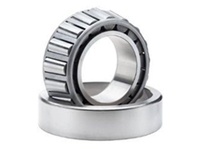
Understanding the Steel Forging Process
At its core, steel forging involves applying localized compressive forces to shape metal. Historically, this was done with hammers and anvils, but today we use sophisticated presses and dies. The real value isn't just in shaping the metal—it's in how forging realigns the metal's grain structure to follow the part's contours. This creates components with superior strength characteristics compared to other manufacturing methods.
The process typically begins with heating steel to high temperatures (usually above 950°C for hot forging), making it more malleable. The heated steel is then shaped through various methods—hammering, pressing, or rolling—depending on the desired final product.
Major Types of Steel Forging
There are several approaches to steel forging, each with distinct advantages:
Open-die forginguses simple dies that don't fully enclose the material, ideal for large components like shafts and rings. Closed-die forgingemploys shaped dies that completely surround the steel, perfect for complex shapes and high-volume production. Roll forgingspecializes in creating high-strength rings by passing heated metal between cylindrical rolls.
Each method serves different needs, from custom one-off pieces to mass-produced automotive components.
Step-by-Step Forging Process
The journey from raw material to finished forged component involves several critical stages:
Material selection : Choosing the right steel grade based on the component's intended use—whether carbon steel for general applications or alloy steels for specialized needs.
Heating : Precisely heating the steel to optimal temperatures (typically 1100-1250°C initial forging temperature) to reduce deformation resistance.
Forming ⚒️: Applying compressive forces through hammers or presses to shape the heated steel.
Cooling ❄️: Controlled cooling to refine the steel's microstructure and enhance mechanical properties.
Finishing ✨: Additional processes like machining, heat treatment, and surface treatments to achieve final specifications.
Why Choose Forging Over Other Methods?
The primary advantage of forging lies in its ability to enhance mechanical properties. By aligning the grain structure with the part's shape, forging creates components with greater strength, toughness, and fatigue resistance. This grain alignment also means forged parts can better withstand impact and heavy loads.
Compared to casting, forging produces fewer internal defects like porosity and shrinkage. While machining from solid blocks might achieve similar precision, forging is more material-efficient, reducing waste and often proving more cost-effective for high-volume production.
Industry Applications
Forged steel components are everywhere in modern industry. In automotive applications, you'll find them in critical systems like crankshafts, connecting rods, and transmission components. The aerospace industry relies on forged parts for landing gear and engine components where failure isn't an option.
Construction uses forged steel for structural elements and tools, while oil and gas applications include valves, flanges, and drilling equipment that must withstand extreme pressures and corrosive environments. Even renewable energy systems like wind turbines depend on forged components for their structural integrity.
Q&A: Common Questions About Steel Forging
Curious_Machinist asked: "What's the real difference between hot and cold forging in practical terms?"
Hot forging happens above the steel's recrystallization temperature, making the metal easier to shape with less force. Cold forging, performed at or near room temperature, increases strength through strain hardening but requires more force. Hot forging is better for complex shapes, while cold forging offers excellent surface finish and dimensional accuracy.
Precision_Engineer wondered: "How does forging actually make metals stronger?"
The compression during forging refines the metal's grain structure, eliminating voids and creating a continuous grain flow that follows the part's contours. This optimized microstructure significantly improves strength and durability compared to cast or machined parts.
Design_Student questioned: "When should I specify forged components versus cast or machined ones?"
Choose forging for applications requiring high strength-to-weight ratios, impact resistance, and reliability under stress. While casting allows more complex shapes and machining offers precision, forging provides the best mechanical properties for critical components.
Selecting a Forging Partner
When you need forged components, working with an experienced supplier makes all the difference. Look for partners with expertise in various steel grades, precision machining capabilities, and rigorous quality control. Companies like Osten Machinery (Xuzhou) Co., Ltd. (Tel: +086 15852310290) offer comprehensive forging services with global shipping support.
The right partner will help you select the optimal forging method and material for your specific application, ensuring your components meet both performance requirements and budget constraints.
Steel forging continues to evolve with advancements in digital simulation, precision manufacturing, and sustainable practices. As manufacturing demands increase, this ancient craft remains essential for creating the strong, reliable components that modern industry depends on.
steel forging, metal forging process, hot forging, cold forging, open-die forging, closed-die forging, forged steel properties, forging applications, automotive forging, aerospace forging, construction forging, metal grain structure, forging vs casting, forging advantages, steel strength, durability enhancement, industrial manufacturing, metalworking techniques, precision forging, Osten Machinery
# Osten Machinery
# precision forging
# metalworking techniques
# industrial manufacturing
# durability enhancement
# steel strength
# forging advantages
# forging vs casting
# metal grain structure
# construction forging
# aerospace forging
# automotive forging
# forging applications
# forged steel properties
# closed-die forging
# open-die forging
# cold forging
# hot forging
# metal forging process
# steel forging
# What are the key steps in the steel forging proces
Related columns:
【
Industry news18872 】
【
Technology blog1420 】
Related recommendations:
Can thrust ball bearings be used in combination with cylindrical roller bearings to separate radial
China Heavy Duty V-Belt Pulleys Factory with Large Bore, What are the European Standards like SPB SP
Agricultural Machinery Bearings_ How Do Sealed Bearings Solve Major Farming Equipment Failures_
China Hydraulic Seals Supplier with Various Sizes_Where to find excavator seals__How to choose the b
How to select slewing bearing gear quality class (Q5, Q6, Q7) for your positioning accuracy requirem
How do you calculate taper roller bearing life when actual load differs from catalog rating?
How exactly do high precision CNC machining services turn complex designs into real, flawless parts_
Custom Assemblies如何提升制造效率,哪些行业最受益,选择时要注意什么?
Chinese Steel Forging Factory_How to verify quality certifications for custom orders_ What are the l
Chinese Heavy Duty Sprockets Manufacturer_What are the key specs for heavy duty taper bushing sprock
Custom_Hydraulic_Cylinders_What_are_they_and_how_to_select_——Hydraulic Cylinders Guide
Can precision metal stamping produce semi sheared edges for hinge barrels without burrs?
Building Construction Extrusions, what should you consider when choosing aluminum extrusion profiles
China Hydraulic Cylinders Factory with Custom Stroke Length_ How to Specify the Exact Stroke You Nee
How do die castings hot cracking defects occur, and what alloy modifications reduce risk?
How to measure taper roller bearing axial play after assembly to verify correct shim selection?
Can thrust ball bearings be installed with a spacer between the washers to adjust clearance?
What pillow block bearing housing grease volume calculation (cubic centimeters) for first fill?
Engineering Plastic Moldings for Industry_ 汽车塑料部件模具_精密注塑成型技术如何选择?
Fire Protection High Pressure Nozzles_ What Are High Pressure Water Mist Nozzles for Marine Fire &am
China Graphite Impregnated Bushings Factory with Self-Lubrication_ How to Choose a Reliable Supplier
Extrusions Custom Profiles_如何选择可靠供应商并优化定制型材生产流程?
Custom Sprocket Drive Design_ How to get started_ What are the key considerations for heavy duty app
How to select hydraulic seal type (buffer, rod, piston, wiper) for telescopic cylinders?
Emergency Pulleys Replacement_How to fix a broken conveyor pulley quickly without professional help_
Bulldozer Sprockets, What is a Bulldozer Sprocket Segment_ How to Replace It, and Where to Find OEM
China Fasteners Factory with Custom Thread, What to Look for in a Supplier_ How to Ensure Quality, a
Are plastic molded parts with mineral filled polypropylene suitable for high heat deflection (120°C)
How to Choose Bushing Materials for Extreme Conditions_ Bushing Wear Resistance Solutions Explained
How do you audit a bearings distributor's shelf life policy for greased and sealed bearings?
China Extrusions Factory with Custom Cross-Sections_ How to Choose a China Custom Aluminum Extrusion
Are plastic molded parts with conductive fillers suitable for static dissipation in explosive enviro
How to calculate gearbox thermal power rating when operating in high ambient temperature conditions?
Custom Gearboxes Engineering _ 设计指南是什么?如何做好质量控制?_ 权威解读
How to measure taper roller bearing cone bore taper angle using a sine bar and indicator?
What fastener statistical process control (Cp, Cpk) for thread rolling ensures consistent fit?
Does your clutch assembly centrifugal weight design (segmented, full ring, puck) affect engagement s
Automotive Transmission Chains_ How Do They Work, What Are the Maintenance Tips, and Which Type Is R
China Hydraulic Fittings Factory with Custom Connections_ How to Choose Reliable Stainless Steel Sup
Are needle bearings with full complement rollers (no cage) suitable for low speed, high load applica
Graphite Impregnated Bushings_How to install Graphite Impregnated Bushings_ What are their key advan
Bulk Bearings Supply_ Where Can Beginners Find Reliable Online Suppliers for Ball Bearings_
Die Cast Components_ What Makes Them Precise, How Custom Design Enhances Functionality, and Why Mate
Are hydraulic fittings with O ring face seal (ORFS) suitable for high impulse pressure applications?
Do wheel hub bearings for heavy haul trailers require wheel speed sensor integration?
Are plastic molded parts with UL94 V0 and glow wire test suitable for appliance connectors?
Double Acting Hydraulic Cylinders, what are common failures, how to perform maintenance, and which b
Bronze Bushings_ What Makes the Oil Groove Design So Critical for Heavy-Duty Performance_
Custom Gearboxes Engineering_ How to Design Custom Gearboxes That Meet Engineering Standards_ _ Expe
China Hydraulic Hose Fittings Supplier_What Are High Pressure Hydraulic Hose Crimp Ferrules &

