
Industry news
What are the key components of a tractor clutch assembly and how do they work together_
Hey there, fellow farming enthusiasts! Ever wondered what's going on under the hood when you press that clutch pedal in your tractor? That familiar squeak and the smooth gear change – it's all thanks to a marvel of engineering called the clutch assembly. If you're new to tractors or just curious about how they work, you're in the right place. Let's break down this essential system in plain English.
So, What Exactly is a Tractor Clutch Assembly?
Think of the clutch as the middleman between your tractor's engine and its wheels. Its main job is pretty straightforward: to connect or disconnect the flow of power from the engine to the transmission. When you press the clutch pedal, you're essentially telling the engine to take a brief break from sending power to the wheels. This allows you to change gears smoothly, come to a stop without stalling, or start moving without that jerky motion. Without it, controlling a powerful machine like a tractor would be nearly impossible .
Meet the Team: Key Components of the Clutch Assembly
The clutch isn't just one big part; it's a team of specialized components working in harmony. Here’s a look at the key players:
Clutch Pedal: This is your point of contact. It's the control lever you press with your foot. When you depress it, you set the entire disengagement process in motion .
Clutch Disc (or Friction Disc): This is the heart of the operation. It's a round plate covered with high-friction material on both sides, kind of like a heavy-duty brake pad. It's sandwiched between the flywheel and the pressure plate. When clamped together, it's this disc that grips and transfers the engine's power to the transmission .
Pressure Plate: This is the muscle. Bolted to the flywheel, it's a heavy metal plate that uses springs (like a diaphragm spring) to apply strong, even pressure on the clutch disc. This pressure is what squishes the disc against the flywheel, locking them together to spin as one unit .
Flywheel: Mounted on the engine's crankshaft, the flywheel is a heavy, precision-machined disc. It has two main jobs: to smooth out the engine's power pulses (thanks to its inertia) and to provide a perfectly smooth friction surface for the clutch disc to press against . In some modern tractors, you might find a dual mass flywheel, which has internal springs to further dampen vibrations and make power delivery even smoother, especially with diesel engines .
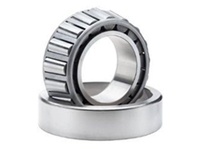
Release Bearing (Throw-out Bearing): This is a crucial but often overlooked part. It's a small but tough bearing that sits on the transmission input shaft. When you press the clutch pedal, the bearing is pushed forward to press against the levers (fingers) of the pressure plate, releasing the clamping force and disengaging the clutch .
Clutch Fork: This lever acts as the translator between the pedal's movement and the release bearing. It pivots to push the bearing into action when you step down .
Clutch Housing: This is the protective metal case that houses the entire assembly, bolting the engine to the transmission. It keeps the dirt out and the important parts safely inside .
How It All Works: Engagement and Disengagement
Let's connect the dots and see how these parts work together in a simple two-step process:
Disengagement (Pressing the Pedal): You push the clutch pedal. This motion is transferred via linkage or a hydraulic system to the clutch fork. The fork pivots and pushes the release bearing against the pressure plate's springs. This action pulls the pressure plate away from the clutch disc, releasing the "pinch." Now, the disc is free, power flow is interrupted, and you can shift gears .
Engagement (Releasing the Pedal): You slowly release the pedal. The pressure plate's springs push it back towards the flywheel, clamping the clutch disc firmly between them. The engine's power is now transmitted through the spinning flywheel, through the disc, and into the transmission shaft. The tractor moves! The cupped segments of the disc assist in a smooth, spring-like cushioning effect during this engagement, preventing a jarring start .
Keeping It Healthy: A Word on Maintenance
A well-maintained clutch is key to your tractor's longevity. Here are a few simple tips:
Avoid "Riding the Clutch": Don't rest your foot on the pedal. Even slight pressure can cause the clutch to slip slightly, generating immense heat and wearing out the friction material prematurely.
Smooth Operator: Engage and disengage the clutch smoothly and deliberately. Jerky movements put extra stress on the components.
Listen and Feel: Unusual noises (like grinding or squealing) when pressing the pedal, or a clutch that feels "spongy" or vibrates, are signs that something might be wrong. Addressing issues early can save you from a major breakdown.
For those in need of reliable replacement parts or specialized components, it's worth connecting with professional suppliers. Companies like Osten Machinery (Xuzhou) Co., Ltd. (TEL: +086 15852310290), which offers global procurement of various mechanical parts and engineering components, can be a valuable resource for keeping your equipment in top shape.
My Take: Why Understanding Your Clutch Matters
In my opinion, knowing how your tractor's clutch works isn't just for mechanics. It makes you a better operator. You'll understand why smooth pedal work is important, not just for comfort but for the health of your machine. This basic knowledge empowers you to spot small problems before they become big, expensive ones. Treat your clutch with respect, and it will reward you with years of reliable service. After all, on a tractor, everything is connected – and the clutch is the critical link that makes it all go.
tractor clutch, clutch assembly, clutch disc, pressure plate, flywheel, release bearing, clutch maintenance, agricultural machinery, tractor parts, farm equipment, power transmission, manual transmission, clutch components, dual mass flywheel, throw-out bearing, clutch fork, clutch housing, friction material, tractor repair, tractor operation
# What are the key components of a tractor clutch as
Related columns:
【
Industry news18872 】
【
Technology blog1420 】
Related recommendations:
Consumer Electronics Housing Plastic Parts_ What are the best custom plastic housing options for ele
Bespoke Clutch Cover Assembly_What materials work best for custom clutch covers_
Do your power transmission chains have stainless steel riveted pins for corrosion resistance?
What forging blocker die design (closed, open, semi closed) minimizes material waste?
How can high pressure nozzles with ruby orifices provide precise flow control for fuel injection?
Custom Sprocket Drive Design_ How to Optimize Chain Drives for Heavy-Duty Machinery_
China Forklift Hydraulic Cylinders Supplier from China, What to look for in a supplier_, How to veri
Fastener Corrosion Protection Solutions_ zinc_coating_bolt_marine_environment_how_effective_&
Engine Assemblies, What Are the Latest Trends in Assembly Lines, and How to Choose Equipment_
Are plastic molded parts with snap fit designs suitable for repeated assembly and disassembly?
China Roller Chains Supplier_ How to Identify Top-Quality High Tensile Roller Chains for Industrial
What fastener hydrogen embrittlement test (ASTM F519) for high strength plated parts?
Automation CNC Parts Suppliers_ How to Choose the Right Components for Your Industrial Needs_
Chemical Resistant Plastic Parts_ What Are the Best Materials for Water Filtration and How to Choose
What gearbox fill port location prevents overfilling that causes churning and overheating?
What is the correct thrust roller bearing washer hardness for high point loading applications?
China High Temperature Fasteners Factory, What Materials Work Best for Industrial Furnaces, and How
How to select rod end bearings for food processing equipment that requires NSF approved lubrication?
How Does CNC Turning Create Precision Parts_
Fasteners Custom Fabrication_How to Choose the Right Manufacturer for Aerospace Applications_
Dental Handpiece Die Castings_Process Steps and Defects Prevention_ What You Need to Know_
Die Casting Mold Design_What are the essential considerations for a successful project_
China Graphite Impregnated Bushings Factory with Self-Lubrication_ What makes them so durable_ How t
What pillow block bearing grease volume should be added during relubrication to avoid overheating?
What is the thrust roller bearing limiting surface velocity (m/s) for dry running conditions?
Bronze Bushings_ What Makes the Oil Groove Design So Critical for Heavy-Duty Performance_
CNC Milling Parts _ What Are They_ How to Choose Precision Custom Parts for Manufacturing_
Chinese Heavy Duty Sprockets Manufacturer_What Should You Know About Industrial Roller Chain Sprocke
Are Chinese hydraulic fittings reliable for oil and gas applications_
China High Precision Metal Stamping Factory with Tight Tolerances_ Your Complete Guide
Bearings for Skateboard_ What Size Do I Need and How to Choose Them_
How do die castings sink marks affect cosmetic appearance, and what rib design prevents them?
Automotive Transmission Chains_ CVT transmission chain maintenance tips & how to spot early
Chain_Tension_Control_Systems_如何实现精准张力调节与安全跟踪?
Are Made in China Office Furniture Fasteners Reliable_
How to select hydraulic seal extrusion gap (maximum 0.1mm for 5000 psi) based on pressure?
How to measure taper roller bearing raceway surface waviness using a profilometer?
What linear bearing rail straightness tolerance (0.05mm per meter) for precision gantry systems?
How to Choose Bushing Materials for Extreme Conditions_ Bushing Wear Resistance Solutions Explained
Why might aluminum extrusions require straightening after heat treatment to meet your parallelism sp
Extrusions Custom Profiles_ how to design custom extrusion profiles_what software is best for design
What linear bearing rail mounting hole cover (plastic plug, set screw, tape) keeps debris out?
China Bearings Factory with Custom Size_ How to Get Precision Bearings Tailored to Your Needs_ _ Wha
Custom Gearboxes Engineering_ How to Design Custom Gearboxes__Best Materials for Custom Gearboxes
How does steel forgings manufacturing work and what are its benefits_
Chain Tension Control Systems_ How Does Automatic Chain Tensioning Work with Real-time Monitoring_
Bolts究竟是什么?精密螺栓如何选择,PyTorch Lightning Bolts又能为开发者带来什么?
Should thrust ball bearings be installed with a wave spring to maintain light preload at all times?
What gearbox input shaft keyway stress concentration factor for shock load applications?
Heavy machinery hydraulic cylinders failing too often_ What's the real cost of poor maintenance, and

