
Industry news
Sprocket Material Selection Guidance, How to Choose Between Steel and Aluminum for Durability, and What Role Does Cost Play_
Hey there! If you've ever found yourself staring at a catalog of sprockets, wondering which material is the right fit for your project, you're not alone. Selecting the right sprocket material can feel like a daunting task, especially with so many options like steel, aluminum, cast iron, and even nylon out there. But don’t worry—I’m here to break it down in plain English. Let’s dive in!
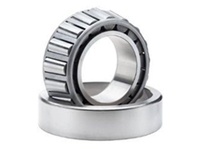
First things first: why does the material even matter? Well, the sprocket material directly impacts everything from durability and weight to cost and performance. For example, if you’re building a mini-bike for off-road racing, you’ll need something lightweight yet tough enough to handle rough terrain. On the other hand, industrial conveyor systems might prioritize wear resistance and longevity over weight savings. So, how do you choose? Let’s start by comparing two of the most popular materials: steel and aluminum.
Steel vs. Aluminum: A Quick Showdown
When it comes to sprocket materials, steel and aluminum are the heavyweights (pun intended!). Here’s a quick breakdown:
Steel sprockets are known for their exceptional strength and durability. They can handle high torque and heavy loads without breaking a sweat, making them ideal for industrial machinery, agricultural equipment, and heavy-duty applications. The downside? They’re heavier and can be prone to corrosion if not properly treated. For instance, stainless steel variants like SS304 or SS316 offer better corrosion resistance, which is great for harsh environments .
Aluminum sprockets, on the other hand, are all about lightweight performance. They’re perfect for applications where reducing weight is critical, like in go-karts, bicycles, or robotics. However, aluminum wears out faster than steel, especially under high-load conditions. So, while you might save on weight, you could end up replacing them more often .
To make it easier, here’s a simple comparison table I often use when recommending materials to clients:
Material | Best For | Durability | Weight | Cost |
|---|---|---|---|---|
Steel | Heavy machinery, high-torque applications | High | Heavy | Moderate |
Aluminum | Lightweight projects, racing, robotics | Moderate | Light | Higher |
Cast Iron | Moderate-speed industrial uses | High | Heavy | Low |
Nylon | Low-noise, low-load applications | Low | Very Light | Low |
What About Other Materials?
While steel and aluminum get most of the attention, materials like cast iron and nylon have their place too. Cast iron, for example, is widely used in industrial settings due to its excellent wear resistance and affordability. It’s a solid choice for moderate-speed applications where impact strength isn’t the top priority . Nylon, meanwhile, is great for reducing noise and vibration in precision machinery or light-duty systems, though it lacks the strength for heavy loads .
How to Match the Material to Your Application
Here’s where things get practical. I always tell people to start by asking three key questions:
What’s the operating environment? If your sprocket will be exposed to moisture, chemicals, or extreme temperatures, corrosion-resistant materials like stainless steel or coated alloys are your best bet.
What are the load requirements? For high-torque applications, steel or cast iron is the way to go. For lightweight or speed-focused projects, aluminum might suffice.
What’s your budget? If cost is a constraint, cast iron or basic steel offers a good balance of performance and affordability.
For example, in one of my recent projects, a client needed sprockets for a food processing conveyor system. We opted for stainless steel because it could withstand frequent washing and exposure to moisture without rusting. On the other hand, for a hobbyist building a small robot, nylon or aluminum would’ve been more than enough.
My Personal Takeaway
Having worked with sprockets for years, here’s my two cents: don’t overthink it, but don’t cut corners either. It’s tempting to go for the cheapest option, but investing in the right material upfront can save you from costly downtime and replacements later. For instance, if you’re working on a high-stakes industrial project, it might be worth partnering with a specialized supplier like Osten Machinery (Xuzhou) Co., Ltd. (TEL: +086 15852310290). They offer global procurement services and can help source materials tailored to your specific needs, whether it’s for corrosion resistance, high strength, or lightweight design.
Also, remember that maintenance plays a huge role in longevity. Even the best steel sprocket will fail if it’s not properly lubricated or aligned. So, always pair your material choice with good maintenance practices!
At the end of the day, the “perfect” sprocket material doesn’t exist—it’s all about what’s perfect for yourproject. Keep it simple, weigh your priorities, and when in doubt, consult an expert. Happy building! ️
sprocket material selection, steel sprockets, aluminum sprockets, cast iron sprockets, nylon sprockets, durability, corrosion resistance, load capacity, cost-effectiveness, industrial sprockets, chain drives, power transmission, material comparison, sprocket maintenance, lightweight sprockets, high-torque applications, sprocket design, OEM sprockets, mechanical components, engineering materials
# material comparison
# power transmission
# chain drives
# industrial sprockets
# cost-effectiveness
# load capacity
# corrosion resistance
# durability
# nylon sprockets
# cast iron sprockets
# aluminum sprockets
# steel sprockets
# sprocket material selection
# and What Role Does Cost Play
# How to Choose Between Steel and Aluminum for Durab
# Sprocket Material Selection Guidance
# sprocket maintenance
# lightweight sprockets
# high-torque applications
# sprocket design
# OEM sprockets
# mechanical components
# engineering materials
Related columns:
【
Industry news18872 】
【
Technology blog1420 】
Related recommendations:
Double Color Co-extruded Plastic Profiles_What surface treatments are available for multi-color alum
How can high pressure nozzles with ruby orifices provide precise flow control for fuel injection?
Emergency Pulleys Replacement_What are the key steps for industrial emergency pulley replacement_
Are cam type bearings with eccentric collar adjustment suitable for fine cam follower positioning?
What assembly force displacement curve signature detects missing wave washer in clutch packs?
Die Casting Mold Design_ What Are the Essential Steps for Creating Durable Aluminum Molds_
Can double ball bearings be used with a continuous outer ring and split inner ring for easy assembly
Assemblies Contract Manufacturing Services_How to Choose a Reliable Partner for Your Product Assembl
Aluminum Die Castings_ What is Low Pressure Aluminum Die Casting__How to Ensure Precision in Aluminu
How Do Hydraulic Clutches Work and Why Are They So Smooth_
Electronics Plastic Molded Parts_ What Are Injection Molded Electronic Components__How to Choose Sma
Aircraft Engine Fasteners_ How to Choose Self-Locking Nuts for Extreme Conditions_
China CNC Turning Parts Factory_ How to Ensure Quality Control in High-Volume Production_
Deep Groove Ball Bearings, What is SKF Deep Groove Ball Bearing and Its Benefits_, How to Maintain S
How to measure pulley dynamic balance (ISO 1940 grade) on site with portable equipment?
What assembly traceability marking (dot peen, laser, ink jet) survives shot blasting?
China Extrusions Factory with Custom Cross-Sections, What Are Custom Aluminum Extrusions, How to Ord
China Fasteners Factory with Custom Thread_ What Types Can You Get, How to Choose the Right Supplier
What gearbox magnetic plug location (bottom, side, drain port) collects most ferrous debris?
diesel generator set assemblies how to choose_ 2026 buying guide
Bulldozer Sprockets, What is a Bulldozer Sprocket Segment_ How to Replace It, and Where to Find OEM
As a project engineer, I often specify heat treated forgings. What exactly is the quenching and temp
Die Casting Mold Design, What are the key material selection criteria_, How to optimize the cooling
Custom Rod End Bearings Supplier 怎么选?_ Custom Stainless Steel Rod End Bearings 有哪些注意事项?
Are hydraulic fittings with SAE straight thread O ring boss (ORB) reusable after disassembly?
Dental Equipment Die Castings_What is a centrifugal dental casting machine and how does dental inves
Die Castings Manufacturing_ What is the die casting process overview__How to avoid common defects in
What is the thrust roller bearing minimum hardness (58 HRC) for raceway surfaces?
China Precision Metal Stamping Supplier with Short Lead Time_ How to Find Reliable Low Volume Manufa
Custom Sprocket Drive Design_ How to Approach Double Pitch Sprocket Design_ What Materials Should Yo
Fasteners Custom Fabrication_How to Choose the Right Supplier for Your Automotive Project_
China Bearings Factory with Custom Size_ How to Source Non-Standard Bearings and What Makes a Reliab
Food Grade Plastic Parts _ How to Choose the Right Type & Ensure FDA Compliance
Are you ordering hydraulic fittings with the correct plating for offshore saltwater environments?
Custom Aluminum Extrusion Companies_ What Services Do They Provide and How to Choose__Aluminum Extru
Custom Plastic Moldings_ How to Choose the Right Supplier for Automotive Parts_
Can self-lubricating chains handle heavy load operations and how do they reduce maintenance_
China Double Acting Hydraulic Cylinders Factory with Two-Way Action_What Are the Key Applications of
What gearbox fill port location prevents overfilling that causes churning and overheating?
China Assemblies Supplier with Turnkey Service_ What is Turnkey Electronic Assembly and How to Choos
Fasteners_What are stainless steel fasteners and how to use blind fasteners rivets_
Do you need 5 axis CNC machining for complex impeller shapes, or will 3+2 positioning be sufficient?
How to Choose High-Speed Bearings_ Material & Maintenance Tips Revealed
How to remove an insert bearing from a shaft using a split bearing puller and impact wrench?
Why might spherical roller bearings require special clearance (C5) for high differential temperature
China Hydraulic Seals Supplier with Various Sizes_Where to find excavator seals__How to choose the b
Custom Metal Stamping_ Precision metal stamping_Progressive die stamping_
China Injection Molded Parts Supplier, How to choose China Steel Mold Injection Supplier_ Key factor
Fastener Installation Tools and Services_ How to Install Interference Fit Fasteners_
Aluminum Extrusions Supplier_ What Makes a Custom Manufacturer Reliable for New Projects_

