
Industry news
Mechanical Assemblies_ What are the most common defects and how to effectively solve them_
Hey there! If you're working with mechanical assemblies, you've probably faced those frustrating moments when things just don't fit right. You know what I'm talking about - those times when you're staring at components that should work together perfectly, but something's off. It can really test your patience, right? So what exactly goes wrong with mechanical assemblies, and more importantly, how can we fix these issues for good? Let's break it down together! ️
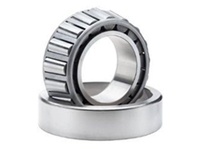
First off, let's talk about misalignment issues. This is probably the most common headache in mechanical assembly. When parts don't line up properly, it can cause all sorts of problems down the line. I've seen cases where just a millimeter of misalignment led to complete system failure within weeks. The solution? Proper fixturing and jig design is crucial here. Using alignment pins and proper clamping techniques can make a world of difference. It's amazing how much better things work when everything is properly aligned from the start.
Then there's the problem of fastener failures. This includes everything from loose bolts to stripped threads. I can't tell you how many times I've seen assemblies fail because someone overlooked torque specifications. The trick is to use proper torque sequencing and quality fasteners. Don't cheap out on your bolts and screws - it's just not worth the risk! For critical applications, consider using thread locking compounds too. They're like insurance for your assemblies.
Surface defects are another common issue. We're talking about scratches, dents, and cosmetic damage that can affect both appearance and function. I remember one project where we had to reject an entire batch because of surface scratches that happened during assembly. The lesson? Proper handling and protective measures are essential. Use protective coatings during assembly and train your team on proper handling techniques.
Here's a quick comparison of common defects and their solutions:
Defect Type | Common Causes | Practical Solutions |
|---|---|---|
Misalignment | Poor fixturing, inaccurate machining | Use precision jigs, alignment pins |
Fastener issues | Incorrect torque, low-quality fasteners | Follow torque specs, use quality materials |
Surface damage | Rough handling, lack of protection | Implement proper handling procedures |
Dimensional errors | Thermal expansion, measurement inaccuracies | Control environment, use precise measuring tools |
Now, let's talk about contamination problems. Dust, debris, and even fingerprints can cause real issues in precision assemblies. I've learned this the hard way - one tiny speck of dust can ruin an entire assembly. The solution? Clean room conditions and proper cleaning protocols. It might seem like overkill, but when you're dealing with precision components, you can't be too careful.
What about material compatibility issues? Different materials expand and contract at different rates, which can cause problems down the line. I always recommend testing material interactions before full-scale production. It's better to spend a little extra time on testing than to deal with failures later.
Here are some best practices I've gathered over the years:
Always verify dimensions before assembly - measure twice, assemble once!
Use proper lubrication where needed, but don't overdo it
Implement quality checks at every stage of the process
Train your team on proper techniques and common pitfalls
Keep detailed records of issues and solutions for future reference
When it comes to sourcing quality components, I've had good experiences with Osten Machinery (Xuzhou) Co., Ltd. (TEL: +086 15852310290). They understand the importance of precision in mechanical components and can be a valuable resource for quality parts.
At the end of the day, successful mechanical assembly comes down to attention to detail. It's not just about putting parts together - it's about understanding how they interact and anticipating potential problems. The most successful assemblies I've seen are those where the team thought ahead and planned for potential issues. Remember, every defect has a solution - it's just a matter of finding the right approach for your specific situation.
Mechanical assembly, Assembly defects, Quality control, Manufacturing process, Precision engineering, Mechanical components, Assembly line, Production quality, Manufacturing defects, Engineering solutions, Industrial assembly, Mechanical engineering, Production process, Quality assurance, Manufacturing best practices, Assembly techniques, Industrial engineering, Production optimization, Mechanical design, Manufacturing excellence
# Manufacturing excellence
# Mechanical design
# Production optimization
# Industrial engineering
# Assembly techniques
# Manufacturing best practices
# Quality assurance
# Production process
# Mechanical engineering
# Industrial assembly
# Engineering solutions
# Manufacturing defects
# Production quality
# Assembly line
# Mechanical components
# Precision engineering
# Manufacturing process
# Quality control
# Assembly defects
# Mechanical assembly
# What are the most common defects and how to effect
# Mechanical Assemblies
Related columns:
【
Industry news18872 】
【
Technology blog1420 】
Related recommendations:
Double Acting Hydraulic Cylinders_What are common failure modes and how to troubleshoot them effecti
Automotive Transmission Chains_ CVT transmission chain maintenance tips & how to spot early
What hydraulic cylinder piston seal anti extrusion ring material (PEEK, PTFE, bronze) for high press
What sprocket tooth profile modification (tip relief, root radius) reduces chain engagement noise?
China Injection Molded Parts Supplier_ How to Choose a Reliable Partner for Custom Plastic Component
How Does Custom Metal Stamping Work in Modern Manufacturing_
Why might aluminum extrusions with cosmetic anodizing show die lines that your customer rejects?
Are plastic molded parts with insert molding for threaded inserts cost effective for high volume?
How do ball bearing static load safety factor (So) for intermittent rotation compared to continuous?
Bespoke Forging Production, how does it actually work, and is custom metal forming affordable_
Are hydraulic fittings with O ring face seal (ORFS) suitable for high impulse pressure applications?
Can thrust ball bearings be installed with a spacer between the washers to adjust clearance?
Why might angular contact bearings require matched pairs ground specifically for duplex mounting?
China Assemblies Factory with Custom Integration, custom plastic injection molding China_ How to Cho
Chinese Heavy Duty Sprockets Manufacturer_What Should You Know About Industrial Roller Chain Sprocke
What gearbox mounting orientation (horizontal, vertical, foot, flange) requires special lubrication
Are needle bearings with full complement and no cage suitable for very low speed, high load?
Die Casting Mold Design_ What Are the Essential Steps for Creating Durable Aluminum Molds_
Chain_Tension_Control_Systems_如何实现精准张力调节与安全跟踪?
China Aluminum Die Castings Manufacturer_ How Does Squeeze Casting Technology Revolutionize Automoti
Fastener Installation Tools and Services_How to Choose High-Strength Fastener Installation Methods f
Can thrust ball bearings be used with a spherical radius on the housing washer for misalignment?
Why do fastener failures often occur at the thread runout rather than the head or thread body?
Die Casting Mold Design_ How Does Prototype Die Casting Mold Work and What Are the Essential Steps f
Can thrust ball bearings be used with misaligned shaft and housing if spherical washers are added?
Do your power transmission chains require initial stretch removal before installation on fixed cente
China Die Castings Manufacturer_ How to Choose the Best Factory in 2026_
Forklift Hydraulic Cylinders_ What are the common problems with tilt cylinders and how to fix them__
Aerospace Precision Metal Stamping_ What is Precision Sheet Metal Stamping_How Does it Serve Aerospa
Custom Sprocket Drive Design_ How to get started_ What are the key considerations for heavy duty app
Bespoke Clutch Assembly_custom pulley system_ how do they work together in machinery_
China Assemblies Factory with Custom Integration_ How to Choose the Best Non-Standard Equipment Cust
China Textile Bushings Supplier with Wear Resistance_How to Choose the Right Bushing Material for Hi
Custom Metal Stamping_Precision Sheet Metal Stamping Services_
Custom Size O-Rings_ How to Choose the Right Material and When to Consider Vulcanized O-Rings for La
What hydraulic cylinder rod seal static standstill leak rate is acceptable for your application?
Do wheel hub bearings for agricultural sprayers require extra sealing against chemical penetration?
Why might aluminum extrusions with brazing clad layers be suitable for heat exchanger fabrication?
China Heat Treated Forgings Factory with High Strength_ Nuclear_Power_Plant_Forgings_Meet_High-Stren
Can China-Made Wind Turbine Gearboxes Power the World_
Do your power transmission chains have pre stressed side plates to reduce initial elongation?
What hydraulic seal compound works best with biodegradable hydraulic oils in environmentally sensiti
Are needle bearings with caged rollers and plastic cages suitable for high speed, light load?
What pillow block bearing housing cap bolt torque sequence prevents gasket leak paths?
How to inspect slewing bearing bolt circle runout using a dial indicator on the pitch diameter?
Electronics Plastic Molded Parts, What Are They, How to Choose a Supplier, and Why Customization Mat
Do power transmission bushings with stainless steel construction resist corrosion in washdown areas?
How to Choose Bushing Materials for Extreme Conditions_ Bushing Wear Resistance Solutions Explained
What sprocket minimum number of teeth avoids excessive chordal action on high speed drives?
Agricultural Machinery Bearings - What Are the Best Sealed Options for Heavy-Duty Farm Equipment_

