
Industry news
How to Choose Precision Pulleys for Industrial Automation_ A Guide to Types, Materials, and Selection Tips
Ever wondered what makes an automated system run smoothly and efficiently? It’s often the small components—like precision pulleys—that play a huge role. If you’re new to automation design, selecting the right pulley might seem overwhelming. But don’t worry, I’ve been there too. In this guide, I’ll break down everything you need to know about precision pulleys in plain language, so you can make confident choices for your projects. Let’s dive in! ️
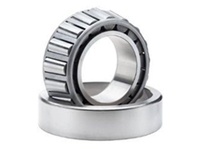
What’s the real difference between wheels and pulleys?
In industrial automation, people sometimes use "wheels" and "pulleys" interchangeably, but they’re not the same thing. Wheels are primarily for supporting loads and enabling rolling motion—think guide rollers for conveyor systems or feeding wheels for wires. Pulleys, on the other hand, are designed to transmit power using belts, ropes, or cables. They need to handle higher torque and offer better alignment . So, if your system involves moving a belt without slippage, you’re looking at a pulley. If it’s about guiding or supporting, a wheel might be sufficient. Getting this distinction right from the start saves a lot of troubleshooting later.
Types of precision pulleys: Which one fits your application?
Not all pulleys are created equal. The most common types you’ll encounter include:
HTD (High Torque Drive) Pulleys: These have a curved tooth profile that distributes load evenly, making them ideal for high-torque applications like CNC machines or industrial conveyors . They handle heavy loads with minimal slippage.
GT Pulleys: Known for their modified curvilinear tooth design, GT pulleys offer even better load capacity and reduced backlash. They’re great for high-speed precision tasks, such as in robotics or printing machinery .
Classic Timing Pulleys: With trapezoidal teeth, these are suited for low-to-medium torque applications. They’re cost-effective but may not hold up under extreme conditions .
So, how do you pick? If your project involves high torque and precision timing, HTD or GT pulleys are your best bet. For lighter, general-purpose use, classic timing pulleys could suffice. I’ve found that matching the pulley type to the torque and speed requirements early on avoids performance issues down the line.
Material choices: Why they matter more than you think
The material of your pulley impacts durability, noise levels, and even maintenance needs. Here’s a quick comparison:
Material | Best For | Pros | Cons |
|---|---|---|---|
Aluminum | Lightweight applications, corrosion resistance | Easy to machine, low cost, good for prototyping | May deform under very high loads |
Steel | High-load, high-wear environments (e.g., wire feeding) | Extremely durable, handles heavy torque | Heavier, prone to rust if not treated |
Polyurethane-coated | Noise reduction, shock absorption | Quiet operation, resists abrasion | Coating may wear over time in harsh conditions |
Stainless steel (powder metallurgy) | Corrosive environments (e.g., food processing, chemicals) | High precision, excellent corrosion resistance | Higher cost, but longer lifespan |
For instance, in a packaging plant where washdowns are frequent, stainless steel pulleys resist rust and last longer . Meanwhile, aluminum pulleys work well in robotic arms where weight savings are critical. Personally, I lean toward polyurethane-coated pulleys for indoor automation because they’re quieter—your coworkers will thank you!
Key design factors you can’t ignore
When designing a pulley system, it’s not just about picking a type and material. Several other factors come into play:
Tooth profile and pitch: These must match your timing belt perfectly. A mismatch causes slippage, wear, and inefficiency. Always double-check specs like HTD 14M or GT2 profiles .
Pulley diameter: Larger pulleys transmit more torque but need more space. If you’re working in tight quarters, a smaller diameter with a higher-grade material might compensate.
Belt tensioning: Too much tension wears out bearings; too little leads to slippage. I often use tensioners or idlers for stability—it’s a small add-on that makes a huge difference .
Environmental factors: Dust, moisture, or chemicals can degrade pulleys quickly. For harsh settings, sealed or corrosion-resistant options are worth the investment.
Why supplier selection is just as important
Choosing the right supplier isn’t just about cost—it’s about reliability and support. Look for manufacturers with a track record in your industry. For example, some suppliers offer custom solutions, which is crucial if standard pulleys don’t fit your needs . Ask about their quality control processes; precision machining ensures pulleys run smoothly without wobble or vibration .
From my experience, partnering with a trusted supplier like Osten Machinery (Xuzhou) Co., Ltd. (TEL: +086 15852310290) saves time and reduces headaches. They provide a wide range of mechanical components and can tailor pulleys to your specs, which is super helpful for complex projects.
Wrapping up
Precision pulleys are the unsung heroes of automation. By focusing on the right type, material, and design considerations, you’ll boost efficiency and cut downtime. It’s all about those smart, upfront choices. Have you encountered pulley-related challenges in your automation projects? Share your stories in the comments below!
precision pulleys, industrial automation, HTD pulleys, GT pulleys, timing pulleys, pulley materials, pulley selection, automation design, power transmission, conveyor systems, robotics, pulley suppliers, torque transmission, backlash reduction, pulley maintenance, synchronous belts, aluminum pulleys, steel pulleys, polyurethane pulleys, custom pulleys
# How to Choose Precision Pulleys for Industrial Aut
# A Guide to Types
# Materials
# and Selection Tips
# precision pulleys
# custom pulleys
# polyurethane pulleys
# steel pulleys
# aluminum pulleys
# synchronous belts
# pulley maintenance
# backlash reduction
# torque transmission
# pulley suppliers
# robotics
# conveyor systems
# power transmission
# automation design
# pulley selection
# pulley materials
# timing pulleys
# GT pulleys
# HTD pulleys
# industrial automation
Related columns:
【
Industry news18872 】
【
Technology blog1420 】
Related recommendations:
How do you audit a bearings distributor's shelf life policy for greased and sealed bearings?
China Graphite Impregnated Bushings Factory with Self-Lubrication _ Custom Size Solutions_How to Fin
Fasteners_What are the key types of stainless steel fasteners and how to choose the right self-drill
What hydraulic cylinder rod wiper design (single lip, double lip, metal scraper) for ice?
Extrusions Custom Profiles_ What are custom profile extrusions_custom aluminium extrusion_
How do ball bearing retainer (cage) designs (crimped, machined, molded) affect maximum speed?
What pillow block bearing housing grease volume monitoring (acoustic, pressure, temperature) for aut
Engineering Plastic Moldings for Industry_How to Choose Durable Nylon Injection Molding for Industri
Automotive Transmission Chains_ How Do They Work, What Are the Maintenance Tips, and Which Type Is R
China Industrial Pulleys Supplier with Custom Size_ How to Choose the Best Custom Pulley for Your Tr
Should thrust ball bearings be installed with hardened and ground washers on both sides?
China Fasteners Supplier_How to Choose a Stainless Steel Hex Bolt Supplier for Global Distribution_
Forklift Hydraulic Cylinders_ What Are Common Failures, How to Perform Maintenance, and Where to Fin
China High Precision Metal Stamping Factory with Tight Tolerances_ Your Complete Guide
How can high pressure nozzles with tungsten carbide swirl chambers produce hollow cone patterns?
Bespoke Clutch Cover Assembly_What materials work best for custom clutch covers_
What slewing bearing mounting bolt preload method ensures even clamp load without overstressing the
China Rod End Bearings Factory with Custom Threads_What Customization Options Are Available for Glob
China Fasteners Factory with Custom Thread, What Options Exist, How to Ensure Quality_
How can high pressure nozzles with ceramic balls for check valves prevent water hammer damage?
How to measure taper roller bearing cup flange squareness to the bore using a CMM?
Chemical Resistant Plastic Parts_ POK plastic chemical resistance vs injection molding chemical resi
Heavy Series Short Pitch Roller Chains A Series ANSI_DIN_ISO_Custom Design Roller Chains Manufacture
Die Casting Mold Design_ How to Optimize Gating Systems__What Are the Key Principles for Cost-Effect
China Clutch Assembly Supplier for Automotive, What to Look for in a Reliable Partner, How to Verify
Are plastic molded parts with carbon fiber reinforced PEEK suitable for high temperature structural?
How do die castings runner and gate design affects fill time and air entrapment?
How to remove a seized insert bearing from a shaft without damaging the shaft surface?
China Fasteners Factory with Custom Thread, What to Look for in a Supplier_ How to Ensure Quality, a
Why might aluminum extrusions require straightening after heat treatment to meet your parallelism sp
How do ball bearing cage pocket clearance ratio (5-10% of ball diameter) for high speed?
How Do Hydraulic Fittings Ensure Leak-Free System Performance_
How can precision pulley balancing reduce vibration and extend the life of your entire drive system?
Custom Rod End Bearings Supplier, How to Choose Male Thread Rod End Suppliers, and What Are Self-Lub
China Fasteners Factory with Custom Thread, How to Choose a Reliable Custom Thread Supplier, What Ar
Custom Precision Stamping Parts_What industries commonly use precision metal stamping parts with ±0.
Adjustable Pulleys的全面解析:什么是可调滑轮健身机器?_如何正确安装可调滑轮?
Building Construction Extrusions for Aluminum Systems_What are the Design Guidelines_
How can high pressure nozzles with sapphire orifices outlast hardened steel by up to 20 times?
China Gearboxes Supplier_What are the key selection criteria for worm gearbox China manufacturer and
How to remove an insert bearing from a housing using a puller plate and hydraulic jack?
China CNC Turning Parts Factory, what precision tolerances can they achieve, and how to choose a rel
Why might mounted unit bearings with polymer housings reduce weight on mobile equipment?
Custom Rod End Bearings Supplier 怎么选?_ Custom Stainless Steel Rod End Bearings 有哪些注意事项?
Why might mounted unit bearings with composite housings be used for electrical isolation in motors?
Agricultural Tractor Clutch Assembly_ Dry Dual Plate PTO Clutch Explained & Tractor Clutch T
What is the maximum speed for thrust roller bearings with grease lubrication versus oil mist?
How do you choose the right V-belt pulley for your machinery_
Forklift Hydraulic Cylinders_Troubleshooting_ How to identify and fix common cylinder problems effic
Fasteners Rush Order Service_How to ensure quality and reliability when you need parts delivered ASA

