
Industry news
How Do Metric Sprockets Power Global Industries_
What Exactly Are Metric Sprockets and Why Do They Matter?
Ever wondered what makes industrial machinery move with such precision? At the heart of power transmission systems worldwide, you'll find metric sprockets - those cleverly toothed wheels that keep everything from factory assembly lines to agricultural equipment running smoothly. These components might seem simple, but they're engineering marvels designed to convert rotational force into controlled linear motion, making them indispensable across countless industries .
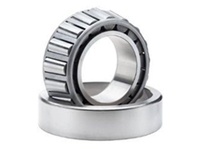
Metric sprockets feature teeth that perfectly mesh with chain links, creating a positive engagement system that prevents slippage and ensures efficient power transfer. What makes them "metric" is their adherence to International System of Units (SI) measurements, which distinguishes them from imperial-sized counterparts. This standardization allows for global compatibility and interchangeability, which is crucial for international manufacturing operations and equipment maintenance .
I've noticed that many people underestimate the importance of selecting the right sprocket, but the truth is, this choice can make or break your machinery's performance. Whether it's a conveyor system in a distribution center or heavy-duty mining equipment, the correct metric sprocket ensures optimal efficiency, reduces downtime, and extends the lifespan of your entire power transmission system .
⚙️ Breaking Down the Anatomy: Key Components Explained
Understanding metric sprockets requires familiarity with their structural components. Let me break down the critical elements that define these power transmission workhorses:
Sprocket Teeth: These projecting elements engage directly with chain links. The number and profile of these teeth determine how smoothly power transfers and how much torque the system can handle. Tooth profiles vary significantly based on application requirements .
Pitch Diameter: This is the diameter of the imaginary circle that passes through the center of the sprocket teeth. It's a crucial measurement that affects the speed ratio and torque transmission capabilities of your system .
Hub: The central portion that connects the sprocket to the shaft. Hub design varies based on load requirements and installation constraints. Some feature solid hubs while others incorporate special bushings for easier installation .
Bore Diameter: This inner diameter must match your shaft size precisely. An improper fit can lead to wobbling, premature wear, or even catastrophic failure under load. Many manufacturers offer custom boring options for unique applications .
The relationship between these components determines the sprocket's overall performance characteristics. For instance, the pitch - the distance between corresponding points on adjacent teeth - must perfectly match your chain's specifications for optimal operation .
Metric Sprocket Types: Which One Fits Your Application?
Not all metric sprockets are created equal. Based on tooth configuration and intended use, we can categorize them into several distinct types:
Simplex Sprockets
These single-row sprockets with evenly spaced teeth represent the most common configuration. They're workhorses in light to medium-duty applications where straightforward power transmission is needed. You'll find them in packaging equipment, basic conveyors, and various manufacturing machinery .
Duplex Sprockets
Featuring two rows of teeth, these provide increased load-bearing capacity and better chain engagement. They're ideal for applications requiring higher torque transmission or where additional stability is necessary. The dual rows help distribute load more evenly across the chain .
Triplex Sprockets
When heavy-duty performance is non-negotiable, triplex sprockets with three tooth rows deliver exceptional power transmission capabilities. These are common in mining operations, construction equipment, and other demanding industrial environments where failure isn't an option .
Double-Pitch Sprockets
Characterized by longer pitch distances between teeth, these sprockets excel in low-speed conveyor applications. The increased pitch reduces weight and cost while maintaining adequate performance for material handling systems where extreme precision isn't critical .
Taper-Locked Sprockets
These innovative designs incorporate a tapered bushing system that simplifies installation and removal. The taper creates a incredibly secure grip on the shaft without requiring keyways in many cases. I've found them particularly valuable in applications where sprockets need frequent changing or maintenance .
Real-World Applications: Where Metric Sprockets Shine
Metric sprockets play crucial roles across diverse industries. Their reliability and efficiency make them preferred choices in these sectors:
Manufacturing and Automation
Modern factories rely heavily on metric sprockets for conveyor systems, assembly lines, and automated production equipment. The precision offered by metric sizing ensures synchronized movement between different sections of production lines. In automotive manufacturing, for instance, sprockets help move vehicle components through painting, assembly, and quality control stations with exact timing .
Agricultural Machinery
From tractors to combine harvesters, metric sprockets withstand harsh outdoor operating conditions while transmitting power to various implements. Their corrosion-resistant variants (often stainless steel) are particularly valuable in agricultural applications where exposure to moisture and chemicals is inevitable .
Food Processing Industry
Sanitary requirements make certain metric sprocket materials and designs essential in food production. Stainless steel sprockets resist corrosion from cleaning chemicals and won't contaminate food products. Many feature smooth surfaces that prevent bacterial buildup, meeting stringent food safety standards .
Mining and Construction
These demanding environments require the utmost durability. Heat-treated steel metric sprockets withstand incredible abrasion from dirt, dust, and heavy loads. In mining operations, they power excavation equipment, conveyor systems transporting ore, and various processing machinery .
Choosing the Right Metric Sprocket: A Practical Guide
Selecting the appropriate metric sprocket involves considering several technical and operational factors. Based on industry experience, here's what really matters:
Load Requirements
Assess both the normal operating loads and potential peak loads. Heavier loads typically require sprockets with more teeth and stronger materials. Don't forget to consider shock loads that occur during startup or sudden stops .
Speed Considerations
Higher rotational speeds demand precisely balanced sprockets with optimized tooth profiles to reduce vibration and noise. For high-speed applications, look for sprockets that have been dynamically balanced .
Environmental Factors
Will the sprocket operate in corrosive, high-temperature, or extremely abrasive conditions? Material selection becomes critical here. Stainless steel excels in corrosive environments, while heat-treated steel better withstands abrasion .
Chain Compatibility
The sprocket and chain must have matching specifications, especially pitch and width. Mismatched components lead to rapid wear and potential failure. Always verify that your sprocket matches your chain's ISO standard .
Maintenance Requirements
Consider how accessible the sprocket will be for maintenance. Hard-to-reach applications might justify investing in higher-quality materials that extend service intervals .
For those seeking reliable components, companies like Osten Machinery (Xuzhou) Co., Ltd. (TEL: +086 15852310290) have built strong reputations for providing quality mechanical components globally. Establishing relationships with knowledgeable suppliers can simplify the selection process significantly.
Sprockets vs. Pulleys: What's the Real Difference?
Many people confuse sprockets with pulleys, but understanding their distinctions prevents costly mistakes:
Engagement Method
Sprockets physically mesh with chain links via their teeth, creating positive engagement that prevents slippage. Pulleys, conversely, rely on friction between their grooved surfaces and belts or ropes. This fundamental difference makes sprockets preferable for applications requiring precise positioning or synchronization .
Applications and Performance
Sprockets excel in high-torque, heavy-duty applications where positive engagement is critical. Pulleys typically suit lighter-duty applications where some slippage is acceptable. If your application demands exact timing or position control, sprockets are usually the better choice .
Material Differences
Sprockets are typically manufactured from hardened steels to withstand the engagement forces with metal chains. Pulleys often use aluminum, plastics, or other lighter materials since their interaction with belts generates less impact force .
Efficiency Considerations
Properly lubricated chain-sprocket systems typically achieve 95-98% efficiency due to their positive engagement. Belt-pulley systems generally offer slightly lower efficiency figures, though advances in synchronous belt designs have narrowed this gap in recent years .
Maintenance Tips: Extending Your Sprocket's Lifespan
Proper maintenance significantly extends metric sprocket service life. Here are practical tips from industry experience:
Regular Inspection Routine
Establish a consistent inspection schedule checking for wear patterns, tooth deformation, and cracks. Pay special attention to the root area between teeth where stress concentrates. Catching issues early prevents catastrophic failures .
Proper Lubrication Practices
Chain-sprocket systems require appropriate lubricants that can withstand high pressure between engaging surfaces. The right lubricant reduces wear, dissipates heat, and protects against corrosion. Automatic lubrication systems often provide the most consistent results for critical applications .
Alignment Checks
Misalignment is a silent sprocket killer. Regularly verify that sprockets are properly aligned both angularly and offset. Even minor misalignment dramatically increases wear rates. Laser alignment tools provide the most accurate results for precision applications .
Tension Management
Proper chain tension prevents excessive wear while maintaining efficient power transmission. Too loose causes skipping and impact loads; too tight increases friction and power consumption. Follow manufacturer recommendations for your specific application .
The Future of Metric Sprockets: What's Next?
Metric sprocket technology continues evolving to meet changing industrial demands. Several trends are shaping their future:
Advanced Materials
New alloy compositions and surface treatments enhance durability while reducing weight. Composite materials are entering specific applications where weight reduction justifies their cost. Self-lubricating materials that reduce maintenance needs are particularly promising .
Integrated Sensor Technology
Smart sprockets with embedded sensors can monitor wear, temperature, and load conditions in real-time. This data enables predictive maintenance, reducing unplanned downtime. Though currently limited to high-value applications, this technology will likely trickle down to broader markets .
Additive Manufacturing
3D printing enables rapid prototyping of custom sprocket designs and on-site production of replacement parts in remote locations. While strength limitations remain a challenge for metal alternatives, the technology already benefits non-critical applications .
Global Standardization
The continued harmonization of metric standards simplifies global supply chains. Manufacturers like Xinlan increasingly produce sprockets meeting multiple international standards, providing customers with greater flexibility and shorter lead times .
Metric sprockets may not be the most glamorous components, but their role in keeping industry moving is undeniable. Understanding their characteristics, proper selection criteria, and maintenance requirements ensures optimal performance in any application. As technology advances, these fundamental power transmission elements will continue evolving to meet tomorrow's industrial challenges.
metric sprockets,chain sprockets,sprocket dimensions,sprocket types,metric sprocket sizes,power transmission,industrial sprockets,sprocket manufacturers,sprocket materials,sprocket applications,metric sprocket dimensions,sprocket teeth count,sprocket pitch,sprocket bore size,taper bushed sprockets,duplex sprockets,triplex sprockets,sprocket maintenance,sprocket vs pulley,OSTEN MACHINERY,sprocket standards
# sprocket bore size
# sprocket pitch
# sprocket teeth count
# metric sprocket dimensions
# sprocket applications
# sprocket materials
# sprocket manufacturers
# industrial sprockets
# power transmission
# metric sprocket sizes
# sprocket types
# sprocket dimensions
# chain sprockets
# metric sprockets
# How Do Metric Sprockets Power Global Industries
# taper bushed sprockets
# duplex sprockets
# triplex sprockets
# sprocket maintenance
# sprocket vs pulley
# OSTEN MACHINERY
# sprocket standards
Related columns:
【
Industry news18872 】
【
Technology blog1420 】
Related recommendations:
Automotive Power Transmission Chains_How Do They Work And What Are The Failure Symptoms_
What slewing bearing mounting bolt preload method ensures even clamp load without overstressing the
Are self-lubricating chains the ultimate solution for maintenance-free machinery operation_
China Engineering Plastic Parts Factory_Custom Plastic Parts China_ How to choose the best supplier
How can high pressure nozzles with fan spray patterns be aligned to prevent adjacent spray interfere
What fastener prevailing torque locking feature (nylok, distorted thread, chemical patch) resists vi
Custom Gearboxes Engineering_ How to Design Custom Gearboxes That Meet Engineering Standards_ _ Expe
Can precision metal stamping produce formed threads on sheet metal nuts for low cost fastening?
How does steel forgings manufacturing work and what are its benefits_
China Hydraulic Cylinders Factory with Custom Stroke Length_ How Does It Work_ Custom Stroke Length
Die Casting Mold Design_ How Does Prototype Die Casting Mold Work and What Are the Essential Steps f
Why might mounted unit bearings with stamped steel housings be lower cost than cast iron?
How to measure taper roller bearing cone bore taper angle using a sine bar and indicator?
Engineering Plastic Parts, How to Choose Reliable Suppliers, and What Are the Customization Processe
Aluminum Pulleys_How can aluminum pulleys enhance automotive performance and what are their key weig
How to identify hydraulic seal extrusion damage caused by excessive clearance in the gland design?
How to design a hydraulic seal groove with lead in taper (15-20 degrees) for easy assembly?
China Textile Bushings Supplier with Wear Resistance_How to Choose the Right Bushing Material for Hi
Emergency Pulleys Replacement_ What Are the Critical Steps and How to Avoid Costly Mistakes_
How to measure taper roller bearing cone front face runout using a dial indicator on assembly?
China Rod End Bearings Factory with Custom Threads_What Customization Options Are Available for Glob
Custom Assemblies如何提升制造效率,哪些行业最受益,选择时要注意什么?
Aluminum Die Castings Supplier_ ADC12 aluminum die casting parts_high-pressure aluminum die casting
Dental Handpiece Die Castings_How does metal injection molding improve dental handpiece performance_
Do your power transmission chains meet ANSI or ISO standards, and can the supplier certify both?
How do ball bearing static load safety factor (So) for intermittent rotation compared to continuous?
As an engineer, I need to choose between planetary and cycloidal gearboxes for high torque applicati
China High Pressure Nozzles Supplier with Adjustable Flow_ How to Choose the Right Nozzle for Indust
How Do Oil-Impregnated Bushings Actually Work_
Automotive Transmission Chains_How to ensure longevity and what are the key maintenance tips_
Deep Groove Ball Bearings_ How to Maintain Them for Better Performance and Longer Life_
Farm Tractor Bearings_ What are the Failure Symptoms_ _ How Can I Replace Them_
Custom Size O-Rings Supplier_How to Ensure Quality in Non-Standard Sizes_
How can high pressure nozzles with tungsten carbide swirl chambers produce hollow cone patterns?
China High Precision Metal Stamping Factory with Tight Tolerances_ Your Complete Guide
Aerospace Precision Metal Stamping_ What is Precision Sheet Metal Stamping_How Does it Serve Aerospa
Assemblies Contract Manufacturing Services_How to Choose a Reliable Partner for Your Product Assembl
China Heavy Duty Clutch Assembly Factory with Durability_ How to Identify Reliable Suppliers with Pr
Can double ball bearings be used in linear motion applications with recirculating ball designs?
Fire Protection High Pressure Nozzles_ How Do They Work in Marine and Transformer Fire Protection_
Bearings: The Silent Support
How to measure taper roller bearing assembled width to verify correct shimming on the line?
High Temperature Plastic Molded Parts_ How to Choose Materials and Avoid Common Mistakes_
China Hydraulic Seals Factory with Custom Compounds_ What is a high pressure hydraulic seals factory
Custom Sprocket Drive Design_ How to Optimize Chain Drives for Heavy-Duty Machinery_
What linear bearing rail straightness tolerance (0.05mm per meter) for precision gantry systems?
Are needle bearings with closed ends and solid outer rings suitable for very high radial loads?
Why might mounted unit bearings with ductile iron housings survive impact loads that crack gray iron
How to remove an insert bearing from a shaft using a split bearing puller and impact wrench?
How to measure pulley groove runout (axial and radial) using a dial indicator on the groove flank?

