
Industry news
High Precision Bushings_What are the key materials and selection tips for High Precision Bushings_
Hey there! If you're new to the world of machining, you might be wondering what all the fuss is about high precision bushings. Seriously, these little components can make or break your machinery's performance. I remember when I first started, I thought all bushings were pretty much the same – boy, was I wrong! Let's break it down in simple terms.
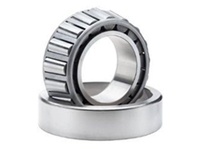
What Exactly Are High Precision Bushings?
In plain English, high precision bushings are sleeve-like parts designed to support rotating shafts or moving components with minimal friction. They’re like the quiet guardians of your machines, ensuring everything moves smoothly without wearing out quickly. What makes them "high precision"? It’s all about tight tolerances – we’re talking ±0.003mm or even less in some cases . For beginners, think of it as the difference between a cheap pair of headphones and a studio-grade set; the latter just fits perfectly.
From my experience, the key is to match the bushing to your application. For example, in automotive systems, a misaligned bushing can lead to vibrations that affect overall efficiency. I once saw a client’s conveyor system fail because they used standard bushings for a high-speed application – lesson learned!
Common Types and Their Materials (No Jargon, I Promise!)
Not all bushings are created equal. Here’s a quick rundown of the main types I’ve worked with:
Oilless Bearing Bushings: These are self-lubricating, often with graphite plugs. They’re awesome for high-temperature environments where oil can’t be used, like in steel mills or heavy machinery . I’ve used them in projects involving continuous operation, and they really cut down on maintenance.
Bimetal Bushings: These combine a steel back for strength with a sintered layer (like bronze-graphite) for self-lubrication. They’re like a superhero duo – tough and low-maintenance .
Tool Bushings: Designed for guiding cutting tools in CNC machines. Brands like NT offer options that reduce vibration, which is a lifesaver for precision machining .
When it comes to materials, here’s what I usually recommend based on the job:
Bronze: Great for heavy loads and high temperatures, but can be pricier.
Plastic-based: Lightweight and corrosion-resistant, perfect for damp or chemical-heavy settings .
Steel-backed sintered types: Ideal for applications needing high wear resistance, like automotive engines .
A quick tip: Always check the operating environment. I once skipped this and ended up with a bushing that corroded in a humid factory – not fun!
️ How to Choose the Right Bushing (A Beginner’s Checklist)
Choosing bushings can feel overwhelming, but here’s a simple checklist I follow:
Identify the Load and Speed: Is it a high-speed CNC machine or a slow-moving conveyor? For heavy loads, go for robust materials like bronze or steel-backed options.
Check Environmental Factors: Temperature, humidity, and exposure to chemicals matter. Oilless bushings with graphite are my go-to for extreme conditions .
Precision Requirements: Look at the tolerance levels. For applications like aerospace or medical devices, aim for bushings with ≤0.005mm accuracy .
Maintenance Needs: If you can’t lubricate frequently, self-lubricating bushings are a game-changer.
I always tell newcomers: Don’t just pick the cheapest option. Investing in quality bushings saves money long-term by reducing downtime. For instance, a client switched to custom bimetal bushings and saw a 20% drop in maintenance costs over a year .
Personal Insights and Pitfalls to Avoid
From my trials and errors, here’s what I wish I knew earlier:
Alignment is Everything: Even the best bushing will fail if installed poorly. I’ve seen cases where misalignment caused premature wear – double-check the fit!
Supplier Matters: Not all suppliers meet the claimed tolerances. I’ve had good experiences with Osten Machinery (Xuzhou) Co., Ltd. (TEL: +086 15852310290); they offer global sourcing and seem to understand industry needs, though always request samples first.
Monitor Wear Regularly: Use simple tools like calipers to check for wear every few months. It’s a small habit that prevents big headaches.
One thing I love about high precision bushings is how they evolve. With AI and better materials, we’re seeing bushings that last longer and handle more stress. But remember, there’s no one-size-fits-all solution – always tailor your choice to the project.
So, have you faced any bushing disasters or wins? Drop a comment below; let’s learn from each other!
High Precision Bushings, Bushing Materials, Oilless Bearing Bush, CNC Bushings, Bimetal Bushings, Tool Bushings, Bronze Bushings, Self-Lubricating Bushings, Machinery Components, Precision Engineering, Bushing Selection, Industrial Bushings, Wear Resistance, Bushing Suppliers, Manufacturing Tips, Bushing Maintenance, High Temperature Bushings, Graphite Plug Bushings, Bushing Applications, Bushing Tolerances
# High Precision Bushings
# What are the key materials and selection tips for
Related columns:
【
Industry news18872 】
【
Technology blog1420 】
Related recommendations:
Are you tired of hydraulic fitting leaks_ Here's the real fix
5 Long Tail Keywords Found in _Lathe Machine Rod End Bearings_ Search Results
Are needle bearings with full complement and no cage suitable for very low speed, high load?
Why might mounted unit bearings with rubber housings reduce noise in fan applications?
China High Pressure Die Castings Factory with High Efficiency_How to Achieve Precision in Aluminum D
Do your power transmission chains have preload applied to each pin during assembly?
How to measure pulley dynamic balance (ISO 1940 grade) on site with portable equipment?
Automation CNC Parts Suppliers_ How to Choose the Right Components for Your Industrial Needs_
Agricultural Tractor Clutch Assembly_What is the difference between wet and dry clutch for agricultu
Can precision metal stamping produce offset bends for spring contacts in connectors?
Best O-Ring Motorcycle Chains_ Maintenance Tips You Need to Know
How to remove a seized insert bearing from a shaft without damaging the shaft surface?
How does steel forgings manufacturing work and what are its benefits_
Automation CNC Parts_ What Are Non-Standardize Automation Components_ How to Choose Automation Equip
Fire Protection High Pressure Nozzles_ What Are High Pressure Water Mist Nozzles for Marine Fire &am
Dental Handpiece Die Castings Market__Dental Handpiece Die Castings Supplier_
What forging grain flow inspection method (macro etch) reveals processing errors before machining?
Aluminum Extrusions Supplier, How to Choose a Reliable Partner, What Quality Standards to Look For,
China Extrusions Factory with Custom Cross-Sections_ Precision Aluminum Extrusion Service China_Cust
What sprocket tooth tip hardening (induction, laser, flame) provides best wear versus core toughness
Extrusions Custom Profiles_Custom Aluminum Extrusion Designs_ What Are They and How to Implement in
Can double ball bearings be used in a three row configuration for extreme moment loads?
Ever Wondered How Self-Aligning Rod End Bearings Can Solve Your Machinery's Misalignment Headaches_
Why might mounted unit bearings with composite housings be used for corrosion resistance in chemical
What pillow block bearing mounting base flatness is required to avoid distorting the housing?
What is the thrust roller bearing alignment error limit (minutes) before roller end stress?
What angular contact bearing retainer pocket design (crimped, turned, molded) affects speed capabili
Custom Precision Stamping Parts_ What Are They, How to Choose a Supplier, and Why They Matter for Yo
Unraveling the World of Mechanical Components: A Deep Dive into Industrial Essentials
How to calculate gearbox thermal power rating when operating in high ambient temperature conditions?
Are hydraulic fittings with captive o rings easier to assemble than loose seal versions?
Aero_engine assembly_ How does high-speed rotor dynamic response impact modern jet performance_
Die Castings Defects_ What Are the Common Issues, How to Solve Them, and Can They Be Prevented_
Are plastic molded parts with anti static additive suitable for clean room packaging?
Does your clutch assembly centrifugal weight design (segmented, full ring, puck) affect engagement s
Farm Tractor Bearings_ What are the signs of worn-out bearings and how to replace them without profe
Are mounted unit bearings with ductile iron housings worth the extra cost over gray iron for shock l
Aluminum Die Castings Supplier_ ADC12 aluminum die casting parts_high-pressure aluminum die casting
What sprocket weld on hub design prevents distortion of the tooth form during welding?
China Extrusions Manufacturer_ Best Price Aluminum Extrusion Manufacturer China_ Top 5 Picks Reveale
Automotive Transmission Chains_ CVT transmission chain maintenance tips & how to spot early
What high pressure nozzle spray pattern (flat, full cone, hollow cone) cleans tank interiors most ef
Bicycle Chainrings and Chains_ What makes a 104 BCD narrow wide chain ring essential and how to pair
How to select slewing bearing gear lubrication method (grease, oil bath, spray) for open gearing?
Does your clutch assembly pressure plate finger height variation affect release bearing life?
Can China’s Power Transmission Chains Factory Meet Your Custom Pitch Needs_
How to design a hydraulic seal back up ring (spiral, solid, split) for high pressure grooves?
Chain Tension Control Systems_ How Does Automatic Chain Tensioning Work with Real-time Monitoring_
What forging cooling rate prevents internal residual stress that causes warping after machining?
What pillow block bearing housing mounting bolt length (2x housing thickness) prevents stripping?

