
Industry news
Custom Forgings_ What Key Factors Should You Consider When Sourcing for Construction Machinery Applications_
Ever wondered what goes into making those heavy-duty construction machines work so reliably under extreme conditions? A big part of the answer lies in custom forgings - the hidden heroes that provide the strength and durability these machines demand. If you're new to this field, you might be asking: what exactly are custom forgings and why do they matter so much for construction equipment? Well, let me break it down from my experience in the industry.
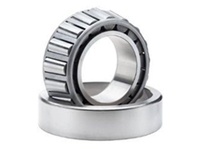
Custom forgings are metal components shaped through controlled deformation processes, often using heat and pressure. Unlike standard parts, they're tailored to specific applications - which is crucial when you need components that can withstand shock loads, heavy impacts, and tough working environments. I've seen how the right forging approach can make or break a project, literally. The construction sector particularly relies on high-strength steel forgings for critical applications where failure isn't an option .
What makes construction machinery forgings so special?
Construction equipment operates under conditions that would destroy ordinary components. Think about excavators digging through rocky soil or cranes lifting tons of materials daily. The custom steel forgings used in these applications need to offer exceptional toughness and fatigue resistance .
From what I've observed, the best forgings for construction machinery share these key characteristics:
High strength-to-weight ratios - they're strong without being overly heavy
Superior impact resistance - can take sudden shocks without cracking
Excellent wear resistance - last longer even with constant abrasion
Consistent material properties - no weak spots that could lead to failure
The manufacturing process plays a huge role here. Proper hot die forging techniques ensure the metal's grain structure follows the part's contour, creating components that are stronger than those made through casting or machining . I always advise clients to look beyond the initial cost and consider the total lifecycle value - quality forgings might cost more upfront but save significantly on downtime and replacements.
Materials matter: Choosing the right steel for your application
Not all steels are created equal when it comes to custom forgings. The construction industry typically uses carbon steels, alloy steels, and stainless steels depending on the specific application and environmental conditions .
Here's a quick comparison of common materials:
Material Type | Best For | Key Advantages |
|---|---|---|
Carbon Steel | General components, structural parts | Cost-effective, good strength, readily available |
Alloy Steel | High-stress applications, wear parts | Enhanced strength, toughness, and wear resistance |
Stainless Steel | Corrosive environments, food processing equipment | Excellent corrosion resistance, maintains appearance |
I've noticed many beginners make the mistake of choosing materials based solely on price. But consider this: using standard carbon steel in a highly corrosive environment could lead to premature failure, while specifying stainless steel for indoor machinery might be overkill. The key is matching the material to your specific operating conditions and performance requirements .
⚙️ The manufacturing process: Why technique affects performance
Custom forgings aren't just about the material - how they're made significantly impacts their performance. The process typically involves several critical stages that I think are worth understanding:
Heating and deformation - Metals are heated to specific temperatures (often between 1,000-2,000°F for steel) to make them malleable, then shaped under tremendous pressure . This refining of the metal's internal structure is what gives forgings their superior strength properties compared to castings.
Heat treatment - This step is crucial for developing the desired mechanical properties. Processes like normalizing, quenching, and tempering optimize the material's strength, hardness, and toughness . I've visited factories where slight variations in heat treatment temperatures made significant differences in the final product's performance.
Quality control - Reputable manufacturers implement rigorous testing at every stage. This includes spectroscopic chemical analysis, ultrasonic testing for internal defects, magnetic particle inspection for surface cracks, and mechanical property testing . Don't hesitate to ask suppliers about their quality protocols - it speaks volumes about their commitment to reliability.
Application-specific design: One size doesn't fit all
What works for a mining shovel might not be suitable for a compact excavator. Custom forgings need to be designed for their specific applications. For construction machinery, we're typically talking about components like:
Axle beams and shafts - providing the backbone for vehicle mobility
Sprockets and gears - power transmission elements
Linkages and levers - control and operational components
Bearing holders and joints - connection points requiring precision
I remember a project where we had to redesign a forged component for a new generation of excavators. The original part worked fine but wasn't optimized for weight reduction. By working closely with the forging supplier and tweaking the design, we managed to reduce weight by 15% while maintaining the same strength characteristics. This kind of collaboration is where the real value of custom forgings emerges.
The trend I'm seeing is toward more integrated approaches where forging suppliers get involved early in the design process. Companies like Osten Machinery (Xuzhou) Co., Ltd. (TEL: +086 15852310290) have built their reputation on providing not just parts but comprehensive solutions that address design, material selection, and manufacturing challenges .
Choosing the right supplier: More than just price shopping
Finding a reliable custom forging supplier can be challenging, especially with global competition. From my experience, the best partnerships consider these factors beyond just cost:
Technical capability - Can they handle your specific requirements? Look for appropriate press capacities (from 400T to 8000T for different sized components), machining capabilities, and heat treatment facilities .
Quality certifications - ISO 9001, ASME, and other relevant certifications indicate a commitment to quality systems . But don't just check boxes - understand their implementation.
Industry experience - Suppliers familiar with construction machinery understand the unique demands and potential failure modes . This practical knowledge can prevent costly mistakes.
Communication and responsiveness - The forging process often requires back-and-forth discussions about design optimizations. A responsive partner can significantly smooth this process.
I've found that the strongest supplier relationships are built on transparency and mutual technical respect. When both parties understand each other's capabilities and constraints, the results are invariably better.
The custom forgings landscape continues to evolve with new materials, processes, and digital technologies enhancing what's possible. For construction machinery professionals, staying informed about these developments isn't just interesting - it's essential for maintaining competitive equipment performance. What's been your experience with custom forgings in your projects? Have you encountered any particular challenges or successes worth sharing?
# Custom Forgings
# What Key Factors Should You Consider When Sourcing
Related columns:
【
Industry news18872 】
【
Technology blog1420 】
Related recommendations:
China Zinc Alloy Die Castings Factory with Light Weight_How to Choose a Custom Zinc Alloy Die Castin
How do die castings sink marks affect cosmetic appearance, and what rib design prevents them?
Are needle bearings with open ends and drawn cup suitable for shaft diameters with no shoulder?
Chemical Resistant Plastic Parts_ What Are the Best Materials for Water Filtration and How to Choose
China Bearings Factory with Custom Size_ How to Source Non-Standard Bearings and What Makes a Reliab
Electronics Plastic Molded Parts_ What Are Injection Molded Electronic Components__How to Choose Sma
Adjustable Pulleys的全面解析:什么是可调滑轮健身机器?_如何正确安装可调滑轮?
Are Chinese-made power transmission chains reliable for automotive use__1
Chinese Steel Forging Factory_How to verify quality certifications for custom orders_ What are the l
How do ball bearing grease compatibility chart prevents mixing lithium and polyurea thickeners?
Electronic Enclosure Plastic Moldings, how to choose the right material and design for your project_
Emergency Pulleys Replacement_What are the key steps for industrial emergency pulley replacement_
Bespoke Clutch Assembly_ How to Choose a Reliable Manufacturer for Custom Solutions_
Aluminum Extrusions_ What should you know about finding a reliable custom aluminum extrusion manufac
Fasteners_What are the key types of stainless steel fasteners and how to choose the right self-drill
How Do Chinese Factories Master Chemical-Resistant Plastic Parts_
Bushing Wear Resistance Solutions, How to Choose the Best Material, What Coatings Work, and Real-Wor
Bearing_Failure_Prevention_Solutions_how_can_proper_lubrication_reduce_bearing_breakdowns_
How to measure taper roller bearing cup flange squareness to the bore using a CMM?
How to remove an insert bearing from a shaft using a hydraulic press with a split support?
What hydraulic cylinder cushion sealing (O ring, lip seal, metal to metal) prevents bypass?
Consumer Electronics Housing Plastic Parts_ What are the best custom plastic housing options for ele
Are cam type bearings with polymer bushings suitable for low noise applications like office equipmen
Why might mounted unit bearings with stainless steel housings be required for pharmaceutical clean r
Bicycle Chainrings and Chains Maintenance_Choosing Bicycle Chainrings and Chains, what's the key to
Die Castings, what are the key advantages of aluminum die castings, and how does mold design impact
Dental Handpiece Die Castings:high pressure die casting 与 aluminum die casting parts 如何选择?
What CNC machining tool path strategy (trochoidal, peel milling) reduces cutting forces on thin webs
What linear bearing rail straightness tolerance is achievable with standard mounting practices?
What linear bearing rail mounting hole cover (plastic plug, set screw, tape) keeps debris out?
Angular Contact Ball Bearings_ What Are Thin-Wall Types and Why Are They Essential for Modern Roboti
Efficient Worm Gearboxes_ How Can You Maximize Their Energy-Saving Potential_
What sprocket induction hardening frequency (kHz) controls case depth for small pitch sprockets?
Die Castings_What Are Common Defects and How to Analyze Them for Better Quality_
Why might aluminum extrusions with post extrusion cold working increase mechanical properties?
What fastener statistical process control (Cp, Cpk) for thread rolling ensures consistent fit?
What CNC machining coolant concentration (Brix) prevents bacterial growth and tool wear simultaneous
Extrusions_What is the aluminum extrusion process and how to avoid common defects_
Aluminum Die Castings Wholesale_How to Find Reliable Low Volume Aluminum Die Castings Wholesale Supp
Custom Die Castings for OEM_ What defines a reliable Low volume OEM die casting manufacturer_How to
China Assemblies Factory with Custom Integration, custom plastic injection molding China_ How to Cho
Farm Tractor Bearings_ What are the Failure Symptoms_ _ How Can I Replace Them_
Aluminum Extrusions Supplier_ What Makes a Custom Manufacturer Reliable for New Projects_
How to measure pulley groove angle variation (maximum 0.5 degrees) using a optical comparator?
Adjustable Spray Nozzles_ How to Choose the Right One for Your Garden_What Are the Best Heavy Duty M
China Precision Metal Stamping Supplier with Short Lead Time_ How to Find Reliable Low Volume Manufa
Why might mounted unit bearings with set screws damage shafts compared to eccentric locking collars?
Emergency Pulleys Replacement_ What's the Real Cost, How to Spot Failing Signs, and DIY Fixes_
Double Acting Hydraulic Cylinders_What are Double Acting Telescopic Hydraulic Cylinders and how do t
What assembly traceability marking (dot peen, laser, ink jet) survives shot blasting?

