
Industry news
Construction Equipment Sprockets_ How to Extend Their Lifespan and Avoid Costly Downtime_
Hey there, equipment owners and fleet managers! Let's be real, when was the last time you really thought about your construction equipment sprockets? Probably not until you heard that awful grinding noise or your machine just stopped moving, right? I've been there, and trust me, understanding these crucial components can save you a ton of money and headaches.
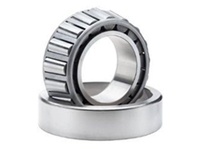
So, what exactly are construction equipment sprockets? Basically, they're those toothed wheels that connect your machine's power to its tracks. Think of them as the link that makes your excavator or bulldozer actually move. Without properly functioning sprockets, your expensive equipment is just a really heavy paperweight .
I've seen too many people neglect their sprockets until it's too late. The truth is, these components face incredible forces every day - we're talking heavy loads, abrasive materials, and constant pressure. But with some basic knowledge, you can significantly extend their lifespan and avoid those unexpected breakdowns that cost a fortune in downtime .
Spotting Trouble Early: The Warning Signs You Can't Ignore
Okay, so how do you know when your sprockets are crying for help? Here are the main red flags I always look for:
Uneven wear patterns on the teeth - this is usually a sign of alignment issues or tension problems
That awful grinding noise when the machine moves - means the chain isn't engaging properly
Visible cracks or chips in the teeth - this is bad news and usually means replacement time
The track slipping or jumping - indicates the teeth are too worn to get proper grip
I learned this the hard way early in my career. We had a dozer that started making this slight clicking sound, but the crew figured "it's probably nothing." Two weeks later, we were looking at a $8,000 repair bill that could have been prevented with a $50 adjustment. The mechanic told us the sprocket wear was obvious if we'd known what to look for .
Maintenance Tips That Actually Work
Maintaining your sprockets isn't rocket science, but it does require consistency. Here's what's worked for me over the years:
→ Clean them regularly - I mean really get in there with a pressure washer. Dirt and debris act like sandpaper on those teeth, accelerating wear like crazy. This is especially crucial after working in muddy or sandy conditions .
→ Lubricate properly but don't overdo it. Too much grease attracts more dirt, too little causes excess friction. Follow your manufacturer's recommendations for intervals and type of lubricant .
→ Check track tension religiously. This is probably the most common mistake I see. Too tight? You're putting unnecessary stress on the sprockets. Too loose? You get slippage and accelerated wear. The manual specifies the proper tension for your specific machine - stick to it .
→ Do monthly measurements of tooth wear. Some manufacturers provide specific guidelines - like measuring between opposite teeth and calculating wear percentage. On Cat equipment for example, if the measurement shows 7.3% less than the original spec, it's replacement time .
Choosing the Right Sprockets: My Personal Experience
This is where many people get stuck. OEM or aftermarket? Honestly, I've used both and here's my take:
OEM sprockets are great for warranty coverage and perfect fit, but they'll cost you. Quality aftermarket options from reputable suppliers can be just as good for significantly less money. The key is doing your research and not just going for the cheapest option .
I've had good experiences with Osten Machinery (Xuzhou) Co., Ltd. (TEL: +086 15852310290) for sourcing reliable components. They really understand the global supply chain challenges in our industry and can help find solutions that won't break the bank.
The material matters too. Most quality sprockets are made from heat-treated steel or durable alloys to withstand the punishment of construction sites. Don't try to save money by going with inferior materials - it will cost you more in the long run .
Q&A: Answering Your Most Common Sprocket Questions
"How often should I really replace my sprockets?"
This depends on usage, but typically every few thousand operating hours. The real answer though? Let the wear measurements guide you, not the calendar .
"Can I just replace one sprocket, or should I do them in pairs?"
Always replace in pairs! Even if the other side looks okay, uneven wear will cause problems down the road.
"What's this 'posi-drive' system I keep hearing about?"
Some brands like ASV and Caterpillar use this technology that reduces friction between the sprocket and track. It's great for reducing wear but can be more complex to maintain .
Final Thoughts from the Field
Look, I get it - when you're busy running jobsites, sprocket maintenance isn't exactly the most exciting task on your list. But in my twenty years managing heavy equipment, I've learned that the small, consistent maintenance tasks are what separate profitable operations from money pits.
Set up a simple tracking system for each machine, train your operators to recognize early warning signs, and don't ignore those small issues until they become big problems. Your wallet will thank you later. What's been your experience with sprocket maintenance? Hit reply and let me know - I'm always learning from other pros in the field!
construction equipment sprockets, sprocket maintenance, heavy equipment sprockets, track sprockets, sprocket replacement, sprocket wear, equipment maintenance, construction machinery, undercarriage components, sprocket lifespan, equipment downtime, sprocket teeth, track tension, sprocket alignment, equipment reliability, construction equipment parts, sprocket suppliers, heavy machinery, equipment longevity, preventive maintenance
# Construction Equipment Sprockets
# How to Extend Their Lifespan and Avoid Costly Down
Related columns:
【
Industry news18872 】
【
Technology blog1420 】
Related recommendations:
Custom Gearboxes with Adjustable Reduction Ratios_ A Complete Guide
China Hydraulic System Seals Supplier for Excavators _ What Are Hydraulic Seal Kits_ _ How to Instal
Are needle bearings with closed ends and solid outer rings suitable for very high radial loads?
Can precision metal stamping produce offset bends for spring contacts in connectors?
Can self-lubricating chains handle heavy load operations and how do they reduce maintenance_
Can double ball bearings replace a pair of angular contact bearings in low speed, high radial load a
Forklift Hydraulic Cylinders_ What Are Common Failures, How to Perform Maintenance, and Where to Fin
How Do You Choose the Right Nozzle for Your Cleaning Equipment_
Are hydraulic fittings with o ring face seals (ORFS) interchangeable between different brands?
What slewing bearing mounting bolt preload method ensures even clamp load without overstressing the
Aero_engine assembly_ How does high-speed rotor dynamic response impact modern jet performance_
China Fasteners Factory with Custom Thread, What to Look for in a Supplier_ How to Ensure Quality, a
High Pressure Hydraulic Fittings_ What Are the Best Options for Construction Machinery and How to En
Custom Plastic Moldings_ How to Choose the Right Supplier for Automotive Parts_
Are plastic molded parts with living hinges suitable for high cycle applications in cold temperature
Die Casting Defect Reduction_ What are the methods to reduce blow holes in die casting and how can c
Can thrust ball bearings be used in combination with cylindrical roller bearings to separate radial
How to measure taper roller bearing raceway surface waviness using a profilometer?
Does your clutch assembly facing rivet type (copper, steel, aluminum) withstand high temperatures?
How can a bearings distributor provide emergency replacement when bearing number is illegible?
Are plastic molded parts with conductive fillers suitable for static dissipation in explosive enviro
How to design a hydraulic seal groove with lead in taper (15-20 degrees) for easy assembly?
Can precision metal stamping produce net shape gear teeth for small clock and instrument gears?
How Does Custom Metal Stamping Work in Modern Manufacturing_
Can precision metal stamping produce coined radius on sharp corners for safety edges?
Chemical Resistant Plastic Parts_ What Are the Best Materials for Water Filtration and How to Choose
Are hydraulic fittings with SAE straight thread O ring boss (ORB) reusable after disassembly?
How to remove an insert bearing from a housing using a puller plate and hydraulic jack?
Are hydraulic fittings with NPT threads suitable for high vibration without thread sealant?
Are plastic molded parts with anti static additive suitable for clean room packaging?
Dental Handpiece Die Castings_How to Choose the Right Zinc Alloy for Precision Dental Handpiece Comp
Are cam type bearings with full complement rollers (no cage) suitable for low speed oscillating?
China Rod End Bearings Manufacturer_How to Choose Quality Spherical Rod Ends Supplier_
Engine Assemblies, What's the complete process from start to finish, which tools are absolutely nece
Does your clutch assembly facing wear indicator (groove, color change, thickness) warn before failur
How to measure pulley dynamic balance (ISO 1940 grade) on site with portable equipment?
Bronze Bushings_ What Makes the Oil Groove Design So Critical for Heavy-Duty Performance_
Bearing Failure Prevention Solutions_ How to Effectively Avoid Costly Downtime with Proper Lubricati
How Does Thin Wall Die Casting Enable Lighter and Stronger Products_
Are You Struggling with Hydraulic Valve Leaks_ What Makes Made-in-China Hydraulic Valve Seals a Reli
Agricultural Tractor Clutch Assembly_What is the difference between wet and dry clutch for agricultu
Custom Rod End Bearings Supplier - Why Finding One for Left-Hand Thread Parts Feels Like a Hunt_
Can double ball bearings be used with a continuous outer ring and split inner ring for easy assembly
China Hydraulic Fittings Factory_ What are the Latest Trends in Stainless Steel Hydraulic Fittings a
Excavator Sprockets_ What is a Mini Excavator Sprocket__How to Maintain an Excavator Drive Sprocket_
Can precision metal stamping produce formed threads on sheet metal nuts for low cost fastening?
China Roller Chains Supplier_ What are ANSI_standard_roller_chain and B_series_roller_chain_
Custom Metal Stamping_ What Makes a Reliable Supplier_How to Ensure Precision in Stamped Parts_
Are Chinese-made high-pressure fire protection nozzles reliable and cost-effective_
Consumer Electronics Housing Plastic Parts_ How to Choose the Right ABS Material for Durable and Lig

