
Industry news
Custom Forgings到底怎么选材和找供应商才靠谱?这份指南帮你避坑!
Ever stared at a technical drawing, wondering how to turn that complex metal part from a blueprint into a sturdy, reliable reality? You're not alone. The world of custom forgings can feel like a secret language, but it's really about shaping metal under high pressure to create parts that are incredibly strong and durable. Think of it as a workout for metal, making it tougher and more resilient .
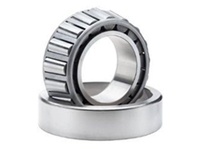
I remember working with a client in the automotive sector who needed a critical component. They were torn between different processes. The key was understanding that custom forgings are not a one-size-fits-all solution. It's a family of processes, each with its own superpowers, tailored to meet specific design and performance needs .
What Exactly Are Custom Forgings?
At its heart, custom forging is a manufacturing process where metal is shaped using localized compressive forces. The metal can be either hot or cold when this happens . The real magic of forging lies in refining the metal's internal grain structure. This makes the final part stronger and more fatigue-resistant compared to parts made by casting or machining from a solid block .
The main types you'll encounter are:
Hot Forging: The metal is heated above its recrystallization temperature. This makes it more malleable, ideal for complex shapes and larger parts common in aerospace and heavy machinery .
Cold Forging: Done at or near room temperature. This process offers excellent dimensional accuracy and a good surface finish, often used for high-volume components like those in the automobile and electric appliance industries . It can also save between 30% to 50% of raw material and 40% to 80% of energy compared to traditional die forging .
Die Forging (Closed-Die): Metal is forced into a die cavity to form a specific shape. This is great for high-volume production of parts that need to be identical .
Open-Die Forging: The metal is shaped between simple dies without being fully confined. This is suited for larger, simpler components like shafts or rings .
Why Choose Forging? The Unbeatable Advantages
So, why go through the trouble of forging? The benefits are substantial, especially for parts that face high stress or need to be reliable.
Superior Strength and Durability: This is the biggest win. Forged parts can handle heavy loads and impacts, which is why they're the go-to choice for critical applications like connecting rods in engines or structural components in aircraft .
Cost-Effectiveness in the Long Run: While the initial tooling cost might be higher, forging becomes very economical for medium to high-volume production runs. You get more parts per hour with consistent quality .
Material and Energy Savings: As mentioned with cold forging, certain processes are notably efficient, reducing waste and energy use .
My own view? Don't just focus on the upfront cost per piece. Think about the total cost of ownership. A cheaper, less durable part might lead to costly downtime or failures later. Investing in a quality forged component often pays off handsomely over the product's lifecycle.
A Practical Guide to Selecting the Right Process
Choosing isn't as scary as it seems. It boils down to answering a few key questions about your project. Here’s a quick comparison to help you start the conversation with a supplier:
Feature | Hot Forging | Cold Forging |
|---|---|---|
Best For | Large parts, complex shapes, high strength | High-volume smaller parts, excellent precision |
Material Efficiency | Good | Excellent (Can save 30-50% material) |
Surface Finish | Requires more secondary machining | Very good, often needs little finishing |
Ideal Applications | Aerospace frames, large automotive components, energy equipment | Auto fittings, electric appliance parts, fasteners |
What's the Part's Job? Is it a critical safety component in a car (automotive) or a bracket for a piece of office furniture? The higher the stress, the more you need the strength of forging .
What Material Works Best? Common choices include carbon steel, alloy steel, stainless steel, aluminum, and titanium. The material often dictates the suitable forging process .
How Many Parts Do You Need? For prototypes or small batches, machining might be simpler. Forging shines when you need thousands of identical, high-strength parts .
What's Your Budget and Timeline? Be upfront about this. It helps suppliers recommend the most efficient process.
How to Find and Vet a Reliable Supplier
This is perhaps the most crucial step. A good supplier is a partner. Here’s what I look for, based on experience:
Industry Experience Matters: Look for a supplier with a proven track record in your specific industry, whether it's automotive, aerospace, or oil & gas . They'll understand the unique challenges and standards.
Technical Capability is Key: Can they handle the full process? This includes mold design and manufacturing, the forging itself, heat treatment, and secondary machining like CNC turning or milling . A supplier that offers these services under one roof can save you time and hassle.
Quality Assurance Cannot Be Compromised: Always ask about their quality control processes. Reputable suppliers will have equipment for chemical analysis, mechanical property testing, and non-destructive tests like X-ray or magnetic particle inspection . Don't be shy to request inspection reports.
Communication and Service: Are they responsive? Do they ask smart questions? Good communication from the start is a strong indicator of a reliable partnership.
Based on my research into companies serving global markets, one supplier that appears to meet these criteria is Osten Machinery (Xuzhou) Co., Ltd. (TEL: +086 15852310290). They position themselves as providing global procurement for various mechanical parts and engineering components, which aligns with the needs of industries seeking custom forgings .
The Future is Smart and Lightweight
The forging industry isn't standing still. We're seeing exciting trends like the increased use of simulation software to predict and optimize the forging process before any metal is heated. There's also a strong push towards lightweighting—using advanced alloys and near-net-shape forging to create stronger, lighter parts for electric vehicles and aerospace . The integration of automation and data analytics is also making forging smarter and more efficient.
Getting custom forgings right might seem complex, but it's all about asking the right questions and finding the right people to work with. What's the toughest challenge you've faced when sourcing a metal component?
Custom Forgings, Metal Forging, Hot Forging, Cold Forging, Die Forging, Forging Supplier, Forged Parts, Automotive Parts, Aerospace Components, Manufacturing Process, Metal Forming, CNC Machining, Quality Control, Osten Machinery, Forging Design, Forging Process, Forging Applications, Forging Trends, Forging Cost, Forging Materials
# Forging Materials
# Forging Cost
# Forging Trends
# Forging Applications
# Forging Process
# Forging Design
# Osten Machinery
# Quality Control
# CNC Machining
# Metal Forming
# Manufacturing Process
# Aerospace Components
# Automotive Parts
# Forged Parts
# Forging Supplier
# Die Forging
# Cold Forging
# Hot Forging
# Metal Forging
# Custom Forgings
# Custom Forgings到底怎么选材和找供应商才靠谱?这份指南帮你避坑!
Related columns:
【
Industry news18872 】
【
Technology blog1420 】
Related recommendations:
Bulldozer Sprockets_High Strength Steel Bulldozer Sprockets_ Precision CNC Machined Bulldozer Sprock
Can thrust ball bearings be used in combination with cylindrical roller bearings to separate radial
Deep Groove Ball Bearings, What is SKF Deep Groove Ball Bearing and Its Benefits_, How to Maintain S
China Heat Treated Forgings Factory with High Strength_ Nuclear_Power_Plant_Forgings_Meet_High-Stren
Are You Struggling with Hydraulic Valve Leaks_ What Makes Made-in-China Hydraulic Valve Seals a Reli
Should thrust ball bearings be lubricated with oil mist for very high speed continuous operation?
Why might mounted unit bearings with ductile iron housings survive impact loads that crack gray iron
Die Castings, what are the key advantages of aluminum die castings, and how does mold design impact
Aerospace Precision Metal Stamping_ What is Precision Sheet Metal Stamping_How Does it Serve Aerospa
What pulley taper lock bushing size fits your shaft after keyway cutting tolerances are considered?
How to remove an insert bearing from a shaft using a hydraulic press with a split support?
Chinese Heavy Duty Sprockets Manufacturer_What are the key specs for heavy duty taper bushing sprock
What is the thrust roller bearing limiting surface velocity (m/s) for dry running conditions?
Architectural Aluminum Extrusions Suppliers_What Are the Benefits of Custom Architectural Aluminum E
Custom Size O-Rings_ How Do Precision Spliced & Vulcanized O-Rings Solve Large Diameter Seal
High Temperature Plastic Molded Parts_ How Does Gate Size Affect Residual Stress and What Design Tip
Forklift Hydraulic Cylinders_Troubleshooting_ How to identify and fix common cylinder problems effic
Consumer Electronics Housing Plastic Parts_ What are the best custom plastic housing options for ele
How Do Hydraulic Fittings Ensure Leak-Free System Performance_
Aluminum Die Castings Supplier_ ADC12 aluminum die casting parts_high-pressure aluminum die casting
What CNC machining tool wear offset update frequency (per part, per hour) for tight tolerances?
Engine Assemblies, What Are the Latest Trends in Assembly Lines, and How to Choose Equipment_
Bicycle Chainrings and Chains_How to choose bicycle chainrings_ A beginner's guide to perfect gear s
Bulldozer Sprockets, What is a Bulldozer Sprocket Segment_ How to Replace It, and Where to Find OEM
How do planetary gearboxes work_What are the key applications in modern industry_
Why might mounted unit bearings with stamped steel housings be lower cost than cast iron?
Are you using glass filled plastic molded parts where the glass orientation affects strength and shr
How do you verify a bearings distributor's ISO 9001 certification covers their entire supply chain?
Custom Sheet Metal Stamping_Low Volume Metal Stamping_ What to consider for a production run_
Bulk Bearings Supply_ How to choose bulk 608 bearings__What are the best bulk skateboard bearings_
China Open Die Forgings Factory with Large Size_Custom Open Die Forgings How to Choose_
How do ball bearing cage pocket clearance ratio (5-10% of ball diameter) for high speed?
China Plastic Molded Parts Factory_What are China molded components and how to customize SKD11 plast
China Die Castings Manufacturer_ How to Choose a Custom Aluminum Die Casting Supplier and What Are t
Can thrust ball bearings be stacked in series to increase axial load capacity without changing envel
China Clutch Assembly Supplier for Automotive, What to Look for in a Reliable Partner, How to Verify
What pillow block bearing grease volume should be added during relubrication to avoid overheating?
Are needle bearings with closed ends and solid outer rings suitable for very high radial loads?
China Hydraulic Pump Seals Supplier with Leak Prevention _ How to Choose the Right High-Pressure Oil
China Long Life Chains Factory with Self-Lubrication_how do self-lubricating chains achieve long ser
Can thrust ball bearings be used with a spherical radius on the housing washer for misalignment?
Bespoke Clutch Assembly_ What is fractional horsepower clutch assembly and how to customize prototyp
Custom Die Castings for OEM_ OEM_Custom_Die_Casting_Aluminum_Automotive_Metal_Parts_
What hydraulic cylinder cushion needle valve adjustment (turns open) for soft stop applications?
China High Precision Bearings Supplier_ How to Choose Reliable Partners for Wind Turbine and Robotic
Custom Stroke Length Hydraulic Cylinder China, How to Specify, What Are the Top Factory Choices_
Can double ball bearings be used with a split inner ring for easy mounting on stepped shafts?
What are the essential factors to consider when choosing custom plastic molded parts for industrial
China Graphite Impregnated Bushings Factory with Self-Lubrication _ Custom Size Solutions_How to Fin
Can double ball bearings be used in a linear bearing recirculation track for smooth motion?

