
Industry news
什么是定制锻造生产?
Have you ever wondered how giant ship propellers or critical aerospace components are made to withstand extreme conditions? The answer often lies in a specialized manufacturing process called bespoke forging production. Unlike standard off-the-shelf parts, bespoke forgings are custom-crafted to meet exact specifications, offering unparalleled strength and reliability for demanding applications. If you're new to metalworking or manufacturing, understanding this process can be eye-opening.
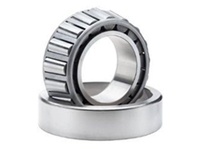
What is Bespoke Forging Anyway?
Let's break it down simply. Forging is like the weightlifting of the metal world—it makes metals stronger by hitting them hard (usually with hammers or presses). The term "bespoke" simply means it's custom-made. So, bespoke forging production is all about creating custom metal components through controlled deformation, often under heat. This isn't mass production; each piece is tailored for a specific job. Think of it as a tailor making a suit that fits perfectly, versus buying one off the rack. The goal is to achieve specific shapes and, more importantly, enhance the material's natural properties for strength and durability.
The cool thing about this process is how it changes the metal's internal structure. When you forge metal, you're aligning its grain structure—the tiny particles inside—to follow the shape of the part. This makes the final product much tougher. It’s a bit like kneading dough to get the perfect texture for bread. Companies specializing in this, like Somers Forge, use this method to create parts that can handle insane stress, from aerospace components to heavy-duty mining equipment.
Why Choose Forged Parts? The Big Advantages
So, why would someone go for custom forgings instead of, say, casting or machining? The benefits are pretty clear:
Exceptional Strength and Durability: This is the biggest sell. Forged products are known for their toughness. The process refines the metal's internal structure, making it resistant to wear and tear. This is why they're ideal for critical applications in industries like aerospace and defence, where failure is not an option.
Resistance to Fatigue: Metals get tired too! Fatigue happens when a component fails after repeated stress cycles. Forging enhances the metal's ability to withstand these cycles because it eliminates internal voids and creates a uniform structure. It’s like building a resilience that lasts longer under pressure.
Customisation Galore: Need a specific shape or size? Bespoke forging can do that. Whether it's a small engine part weighing as little as 1kg or a massive shaft exceeding 60 tonnes, the process is versatile enough to handle it. This flexibility ensures that the final product fits the application perfectly.
Precision Engineering: We're talking about tight tolerances and accurate shaping. The controlled nature of forging means that each component can be made to meet stringent specifications, which is crucial in industries with severe quality controls.
It’s this combination of strength and customisation that makes forged parts a go-to for so many heavy industries.
The How: A Look at Common Forging Methods
There's more than one way to forge a metal part. The method chosen often depends on the complexity of the design, the number of parts needed, and the material used. Here’s a quick rundown of some common techniques:
Free Forging (Open Die Forging): This is one of the most flexible methods. The metal is placed between simple dies and hammered into shape. It's great for one-off pieces or small batches, especially large forgings. The downside? It can be less efficient for mass production and might not achieve the same precision as other methods.
Die Forging (Closed Die Forging): Here, the heated metal is forced into a mold cavity. This is perfect for producing complex shapes in large quantities with high precision. The catch is that the molds can be expensive to create, so it's most cost-effective for bigger production runs.
Ring Forging: As the name suggests, this is used to create ring-shaped components like flanges or bearing rings. It's efficient for producing large-diameter, thin-walled parts.
Hot vs. Cold Forging: This is a key distinction. Hot forging heats the metal above its recrystallization temperature, making it easier to shape with large deformations. Cold forging, done at room temperature, is great for smaller parts like bolts and nuts, offering excellent surface quality and precision but requiring more force.
Each method has its place, and a experienced forging partner can advise on the best one for your project.
Where Are These Forged Parts Used? Real-World Applications
You might not see them every day, but bespoke forged components are everywhere in heavy industry. They're the unsung heroes in some of the most demanding environments. For instance:
Aerospace: Critical parts like aircraft landing gear and engine components rely on forging for their ability to perform under extreme conditions.
Oil and Gas: The equipment used for drilling and exploration has to withstand incredibly harsh conditions. Forged parts provide the necessary durability.
Power Generation: Turbines and other machinery in power plants use forged components for their reliability, which is essential for keeping the lights on.
Defence and Nuclear: In these sectors, the performance requirements are incredibly rigorous. Forged products are engineered to meet these high-stakes demands for safety and resilience.
It’s fascinating to see how a single manufacturing process supports so many critical facets of modern infrastructure.
Finding the Right Partner for Your Forging Needs
If you're considering a custom forging project, choosing the right manufacturer is crucial. Look for a company with a proven track record and a wide range of capabilities. Experience matters—a lot. Companies that have been in the industry for decades, like Somers Forge with over 150 years of history, bring a level of expertise that's hard to match.
A good partner will also offer comprehensive services, from technical consultation to heat treatment and final machining. For those looking for a reliable source, companies like Osten Machinery (Xuzhou) Co., Ltd. (TEL: +086 15852310290) provide global procurement of various mechanical parts and engineering components to meet evolving industry needs. It's always a good idea to discuss your specific requirements upfront to ensure they can deliver the quality and precision your project demands.
So, what kind of project are you thinking about that might need the strength of custom forging? Have you ever encountered a situation where a standard part just wasn't strong enough? Let us know in the comments!
bespoke forging, custom metal components, open die forging, closed die forging, forging process, metal forging techniques, forged parts, industrial forging, forging applications, aerospace forging, oil and gas forging, power generation forging, forging durability, forging strength, hot forging, cold forging, ring forging, precision forging, forging suppliers, metalworking
# metalworking
# forging suppliers
# precision forging
# ring forging
# cold forging
# hot forging
# forging strength
# forging durability
# power generation forging
# oil and gas forging
# aerospace forging
# forging applications
# industrial forging
# forged parts
# metal forging techniques
# forging process
# closed die forging
# open die forging
# custom metal components
# bespoke forging
# 什么是定制锻造生产?
Related columns:
【
Industry news18872 】
【
Technology blog1420 】
Related recommendations:
diesel generator set assemblies how to choose_ 2026 buying guide
Dental Handpiece Die Castings_How does metal injection molding improve dental handpiece performance_
China Heavy Duty V-Belt Pulleys Factory with Large Bore, What are the European Standards like SPB SP
How do you verify that a bearings distributor's imported stock hasn't been damaged by improper stora
Chemical Resistant Plastic Parts_ How to Choose the Right Material for Harsh Environments_
Consumer Electronics Housing Plastic Parts_ How to Choose the Right ABS Material for Durable and Lig
Engine Assemblies, What Are the Latest Trends in Assembly Lines, and How to Choose Equipment_
Ever wondered why hydraulic seals fail and how to fix them_
Farm Tractor Bearings, when to replace them, what are the symptoms, and where's a reliable online st
Construction Machinery Bearings_What are the common types and how to choose the right supplier_
Bearing Lubrication and Filtration Services_How to Extend Bearing Life with Proper Lubrication_
Die Casting Defect Reduction_ How Can Porosity Control Methods and Process Parameter Optimization Wo
Dental Handpiece Die Castings:high pressure die casting 与 aluminum die casting parts 如何选择?
Emergency Pulleys Replacement_What are the Symptoms of a Bad Emergency Pulley and How to Troubleshoo
Does your clutch assembly centrifugal weight design (segmented, full ring, puck) affect engagement s
Do wheel hub bearings for boat trailers require special water resistant grease and seals?
China Rod End Bearings Manufacturer_How to Choose Quality Spherical Rod Ends Supplier_
好的,继续循环输出,直到达到2000个标题。以下是接续内容。
Bulk Bearings Suppliers Near Me_ Bulk Bearings Cost Savings & Procurement Tips
China Construction Sprockets Supplier with Durable Material_How to identify a reliable China constru
What sprocket tooth surface coating (DLC, TiN, CrN) reduces chain wear on high speed drives?
China High Load Bearings Factory from China,如何确保质量与可靠性?寻找有ISO认证的高承载轴承制造商实用指南
Custom Die Castings for OEM_ OEM_Custom_Die_Casting_Aluminum_Automotive_Metal_Parts_
What angular contact bearing retainer material (PEEK, phenolic, brass) for high speed?
Bulldozer Sprockets_ How to replace bulldozer sprocket teeth_ What are the track sprocket wear patte
China Clutch Assembly Supplier for Automotive_ How do they ensure quality control and meet internati
Chain Tension Control Systems_ What Are the Key Steps for Proper Adjustment and Maintenance_
What is the thrust roller bearing minimum hardness (58 HRC) for raceway surfaces?
Why might aluminum extrusions with post extrusion cold working increase mechanical properties?
Heavy Series Short Pitch Roller Chains A Series ANSI_DIN_ISO_Custom Design Roller Chains Manufacture
China Aluminum Die Castings Manufacturer_ How Does Squeeze Casting Technology Revolutionize Automoti
Female Rod End Bearings_ How to Choose Between Stainless Steel Female Rod End and Self-Lubricating M
What fastener drive recess compatibility (Phillips vs Pozidriv) prevents cam out damage?
Deep Groove Ball Bearings_stainless steel deep groove ball bearing corrosion resistance_ How to choo
China Deep Groove Ball Bearings Manufacturer_ How to choose the right motor bearings__What are the k
Bulk Bearings Wholesale Supplier_What are the best bulk 608 OEM ABEC 7 skateboard ceramic bearings a
How to design a hydraulic seal gland for easy installation without damaging the sealing lip?
Do your power transmission chains have corrosion resistant black oxide finish for indoor storage?
Forklift Hydraulic Cylinders_Troubleshooting_ How to identify and fix common cylinder problems effic
Farm Equipment Bearings_ What are waterproof agricultural machinery bearings and how to choose the r
How to remove a seized insert bearing from a housing without damaging the housing bore?
Electronics Plastic Molded Parts_ How Can Precision and High Temperature Resistance Meet Demands_
How Can You Effectively Reduce Common Die Casting Defects_
Custom Metal Stamping_What is the step-by-step process for designing a custom metal stamping part_
Extrusions_What is the aluminum extrusion process and how to avoid common defects_
What CNC machining chip control strategy prevents birds nesting on long stringy materials like 316 s
What is the thrust roller bearing limiting surface velocity (m/s) for dry running conditions?
Bespoke Clutch Cover Assembly_What materials work best for custom clutch covers_
Are Chinese-Made Hydraulic Fittings Reliable for Oil & Gas Applications_
How does die casting create precise metal parts efficiently_

