
Industry news
Custom Forgings_ What Are the Benefits for Oil and Gas_How to Specify in High-Strength Alloys_
Hey there! If you're new to the world of industrial components, you might be wondering, "What exactly are custom forgings, and why should I care?" Well, let me tell you—custom forgings are like the unsung heroes of machinery, shaping everything from oil rigs to aerospace parts. I've been in this field for a while, and honestly, the precision and strength they offer are game-changers. Today, we'll dive into how these forgings benefit the oil and gas sector and how to pick the right high-strength alloys for tough jobs. Stick around; this is gonna be practical and straight to the point!
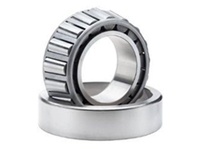
So, What Are Custom Forgings Anyway?
In simple terms, custom forgings are metal parts shaped through forging—a process that hammers or presses metal into specific forms. Think of it as blacksmithing but with modern tech! Unlike cast parts, forgings are stronger because the process aligns the metal's grain structure. For example, in industries like oil and gas, this means components can handle high pressure and corrosion better. From my experience, companies often overlook this, but opting for forgings can reduce downtime—a big win for efficiency.
Why Custom Forgings Rock in the Oil and Gas Industry
Let's get real—oil and gas environments are brutal. Equipment faces extreme pressures, temperatures, and corrosive substances. Here’s where custom forgings shine:
Durability: They withstand shocks and stresses better than cast parts. I’ve seen forgings last years longer in pumps and valves.
Customization: Need a part that fits unique specs? Forgings can be tailored, like those for pipeline flanges.
Safety: In critical applications, reliability is key. Forgings have fewer defects, which matters when a failure could cause disasters.
A quick comparison:
Feature
Custom Forgings
Cast Parts
Strength
High (e.g., 20% stronger)
Moderate
Cost-Effectiveness
Better long-term
Lower upfront cost
Customization
Highly flexible
Limited
Honestly, if you're in oil and gas, investing in forgings is a no-brainer. They might cost more upfront, but the longevity pays off.
How to Specify Custom Forgings in High-Strength Alloys
Picking the right alloy can feel overwhelming, but break it down step-by-step. First, identify your needs—like corrosion resistance or weight limits. For instance, in aerospace or mining, high-strength alloys like duplex stainless steel are popular. Here’s my approach:
Consult Standards: Refer to specs like ASTM or ISO. I always start here to avoid guesswork.
Consider the Environment: Will it face saltwater or high heat? Alloys like super duplex excel in harsh conditions.
Work with Experts: Don’t go solo! Suppliers can advise—I’ve had great results with Osten Machinery (Xuzhou) Co., Ltd. (TEL: +086 15852310290), who offer global sourcing for mechanical parts. They get the nuances of alloy selection.
Pro tip: Ask for material certs to ensure quality. It’s saved me from headaches more than once!
My Take: Common Mistakes and How to Avoid Them
From what I’ve seen, newcomers often skip testing or choose cheap alternatives. Big mistake! Always request prototypes and stress tests. For example, a client once used a low-grade alloy for a mining drill—it failed within months. Switching to a forged high-strength version doubled its life. Also, communicate clearly with manufacturers; provide detailed drawings to avoid mismatches.
Wrapping It Up: Your Next Steps
Custom forgings aren’t just parts—they’re investments in reliability. Whether you’re in oil and gas or tackling high-stress projects, focus on quality and specs. Have you faced challenges with equipment failures? Share your stories in the comments—let’s learn from each other!
Custom Forgings, Oil and Gas Industry, High-Strength Alloys, Forging Process, Industrial Components, Metal Forgings, Durability, Corrosion Resistance, ASTM Standards, Mining Equipment, Aerospace Forgings, Precision Engineering, Supplier Selection, Material Specification, Cost-Effectiveness, Safety Standards, Forging Benefits, Alloy Types, Customization, Industrial Safety
# Industrial Safety
# Customization
# Alloy Types
# Forging Benefits
# Safety Standards
# Cost-Effectiveness
# Material Specification
# Supplier Selection
# Precision Engineering
# Aerospace Forgings
# Mining Equipment
# ASTM Standards
# Corrosion Resistance
# Durability
# Metal Forgings
# Industrial Components
# Forging Process
# High-Strength Alloys
# Oil and Gas Industry
# How to Specify in High-Strength Alloys
# What Are the Benefits for Oil and Gas
# Custom Forgings
Related columns:
【
Industry news18872 】
【
Technology blog1420 】
Related recommendations:
How to design a hydraulic seal groove with lead in taper (15-20 degrees) for easy assembly?
What pillow block bearing seal type (felt, rubber, labyrinth) keeps out cement dust most effectively
Double Acting Hydraulic Cylinders_ How do they handle heavy-duty applications, and what about mainte
Are Chinese-made high-pressure fire protection nozzles reliable and cost-effective_
Aluminum Extrusions Bulk Supplier_Customized aluminum extrusion_ How to ensure quality in large orde
Do wheel hub bearings for heavy trucks require adjustment after a break in period?
Aluminum Die Castings Supplier_ What is High Pressure Die Casting__How to Choose a Custom Aluminum D
China Construction Sprockets Supplier with Durable Material_How to Choose ZG40Mn Steel Sprockets for
Can PTFE Seals Handle Your Toughest Applications_ Here's What You Need to Know
How do ball bearing acoustic testing (Anderon meter) results predict motor noise levels?
Adjustable Pulleys, 如何选择家庭健身房滑轮?DIY滑轮系统靠谱吗,升级配件哪里找?
What hydraulic cylinder cushion needle valve adjustment (turns open) for soft stop applications?
Customizing Conveyor Pulleys for Industry-specific Needs_How to Choose Food Grade Pulley Materials_
Custom Size Timing Pulley Supplier China_ How to Ensure Precision_ What Are the Top Materials_
Extrusions Custom Profiles, what should I consider when choosing a supplier for custom aluminum prof
What sprocket tooth through hardening (HRC 45-50) for low speed, high wear applications?
Bulldozer Sprockets_ What should you consider when choosing the right sprocket for a Caterpillar D8R
Aerospace Precision Stamping, What are the key techniques for precision_ How to control tolerances e
Can self-lubricating chains handle heavy load operations and how do they reduce maintenance_
Bulldozer Sprockets_ What are Undercarriage Parts Sprockets__How to Choose Komatsu Bulldozer Sprocke
How to select hydraulic seal backup rings for extrusion resistance at high pressures over 5000 psi?
Female Rod End Bearings_ How to Choose Between Stainless Steel Female Rod End and Self-Lubricating M
Can China-Made Wind Turbine Gearboxes Power the World_
China Rod End Bearings Factory with Custom Threads_high precision P4 grade rod end bearings factory
Do wheel hub bearings for off road racing require high temperature grease (300°F continuous)?
What fastener statistical process control (Cp, Cpk) for thread rolling ensures consistent fit?
China Fire Fighting Nozzles Supplier with High Pressure_How to Choose a Reliable High Pressure Water
Extrusions Custom Profiles_ how to design custom extrusion profiles_what software is best for design
How exactly do high precision CNC machining services turn complex designs into real, flawless parts_
Chemical Resistant Plastic Parts_ What Are the Best Materials for Water Filtration and How to Choose
What linear bearing rail mounting hole pattern (standard, wide, narrow) matches your machine base?
Closed Die Forging Precision_What are the advantages of precision forging for aerospace components_
Are mounted unit bearings with ductile iron housings worth the extra cost over gray iron for shock l
Are cam type bearings with polymer bushings suitable for low noise applications like office equipmen
What pillow block bearing housing grease fitting type (button head, hydraulic, standard) for tight s
Female Rod End Bearings_How to buy Female Rod End Bearings__What are common problems with Female Rod
How do ball bearing retainer (cage) designs (crimped, machined, molded) affect maximum speed?
Farm Equipment Bearings_How to Choose the Right Bearings for Your Agricultural Machinery_
Aerospace Precision Metal Stamping_ What Are the Critical Factors for Achieving Zero-Defect Componen
Are cam type bearings with PTFE liners suitable for dry running without external lubrication?
Do your power transmission chains have oil impregnated sintered bushings for lubrication free?
Custom Die Castings for OEM_What is the High Pressure Die Casting Process for OEM and How Does It En
What pillow block bearing housing cap bolt torque sequence prevents gasket leak paths?
How to select rod end bearings for aerospace control linkages where weight is critical?
How to prevent slewing bearing raceway indentation during crane transport before installation?
China Textile Bushings Supplier with Wear Resistance_How to Choose the Right Bushing Material for Hi
Why might spherical roller bearings require a different internal clearance for vertical shaft mounti
Can double ball bearings replace a pair of angular contact bearings in low speed, high radial load a
Bulk Bearings Supply, what is ball bearings bulk and why is it popular_ How to choose deep groove ba
How Do Planetary Gearboxes Work_ A Complete Guide

